-by Lucas Lowe
It’s WICKED HOT in Greater Boston this week! Summers like this are expected to increase in intensity and length. Throughout our watershed, neighborhoods like Chelsea, Everett, Somerville, Medford, Malden, Cambridge, Charlestown, and East Boston are at risk. Extreme heat (prolonged periods of days above 85°F or heat emergencies with higher heat index values) IS hazardous, and it affects some groups more than others:
Older adults may face higher risk, especially if they live alone, have difficulty regulating body temp, have chronic health conditions, take certain medications, or cannot run air conditioning.
Pregnant women are more prone to dehydration, dizziness, hypertensive disorders, and adverse pregnancy-related health risks.
Caregivers face a double burden: they must keep themselves safe while also watching for signs of heat stress in the people they care for.
Children and adolescents are still developing physically and may spend long periods outside at camps, playgrounds, or summer jobs.
The good news is that impacts of extreme heat are preventable! During these times, residents should drink plenty of water, avoid strenuous outdoor activity during the hottest part of the day (typically between 11:00AM - 4:00PM), wear light clothing, check on neighbors and relatives in the area, and spend time in air-conditioned places when possible.
Families should also plan ahead by knowing the closest cooling center, library, pool, splash pad, or shaded park before a heat emergency begins. Caregivers should watch for warning signs like dizziness, confusion, nausea, headache, heavy sweating, or hot/dry skin. When in doubt, cool the person down and seek medical help.
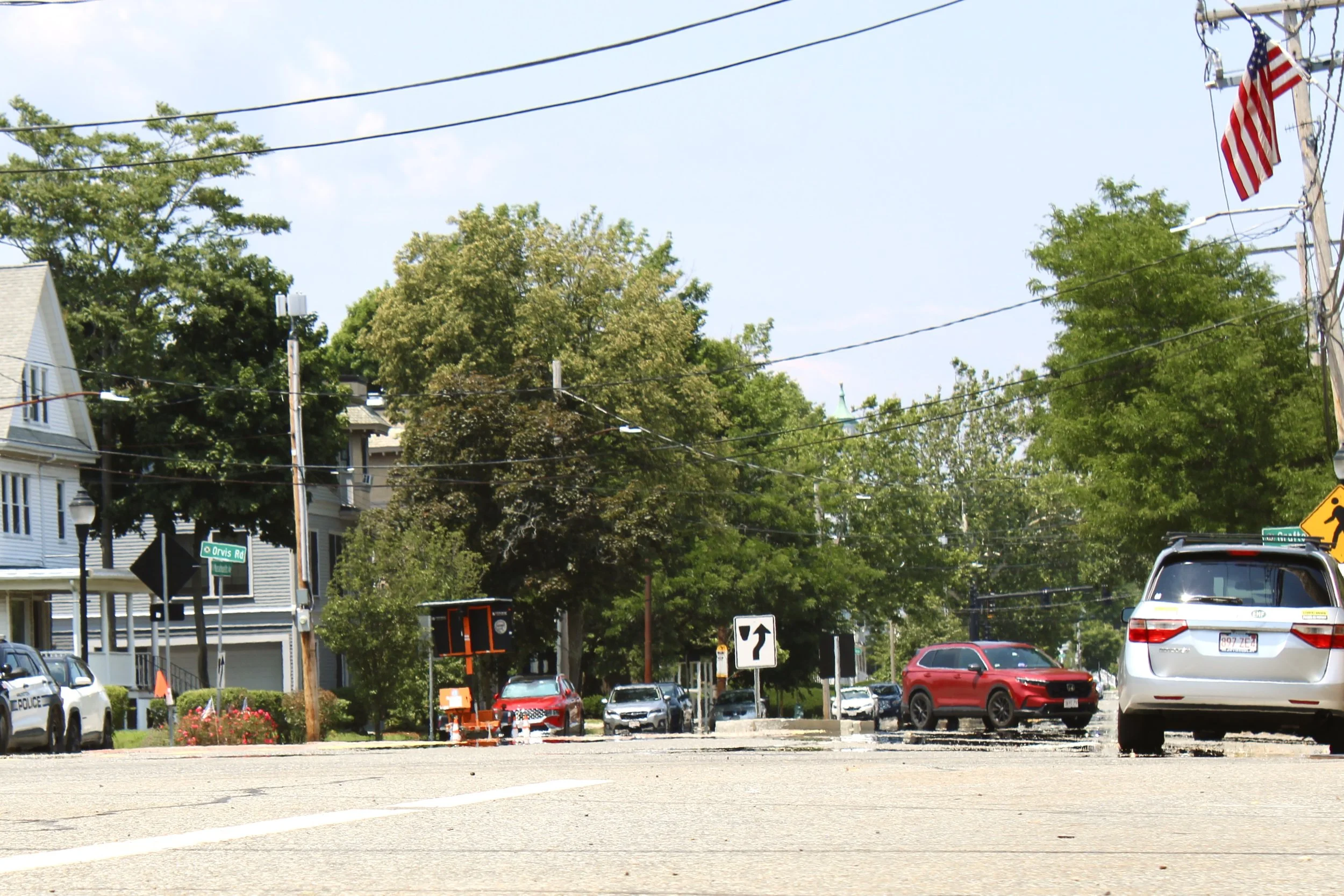
Heat mirage on Massachusetts Avenue in Arlington on June 30th, 2026. Photo: Isaiah Johnson
Of course, these individual steps matter, but staying safe from extreme heat also requires neighborhood-level and city-wide solutions. Across the Boston area, organizations and researchers are already working toward these solutions.
MyRWA’s Wicked Cool Mystic project builds on heat-mapping work (Wicked Hot Mystic) and is helping communities identify hot spots, expand tree canopy for local cooling, and implement resident-informed cooling initiatives. Read more about the cooling solutions we built this year through Wicked Cool Mystic.
Wicked Hot Mystic Data Explorer
C-HEAT Sensors Map, 2026. Click to expand
At Boston University and GreenRoots, the Chelsea & East Boston Heat Study (C-HEAT) is helping show how extreme heat is experienced both inside and outside the home. The project uses indoor and outdoor temperature monitors and weekly questionnaires to identify local hot spots and understand how hot homes can become during heat waves. C-HEAT also uses Photovoice to document extreme heat, with residents capturing their own experiences through photos and captions that show what extreme heat looks like day to day.
At MIT, the Office of Sustainability is using campus heat sensors to inform their Climate Resiliency and Adaptation Roadmap. MIT’s Concrete Sustainability Hub is also studying extreme heat interventions with cool pavements, which use more reflective surfaces to reduce pavement heat.
Localized cooling resources go a long way. Public pools, splash pads, spray features, shaded playgrounds, misting tents, and open public buildings are essential, especially for those most affected. When swimming conditions are safe a dip in the Mystic Lakes can be a pretty great way to cool off!
Public health, housing, and neighborhood structure all influence how individuals and communities experience extreme heat. As extreme heat continues to be on the rise, stronger community-level climate and social resilience will require tenant protections, equity-centered planning, shade interventions, water access, cooling centers, neighbor check-ins, and heat communication. Protecting our communities means preparing early and building cooler, more resilient neighborhoods for all.
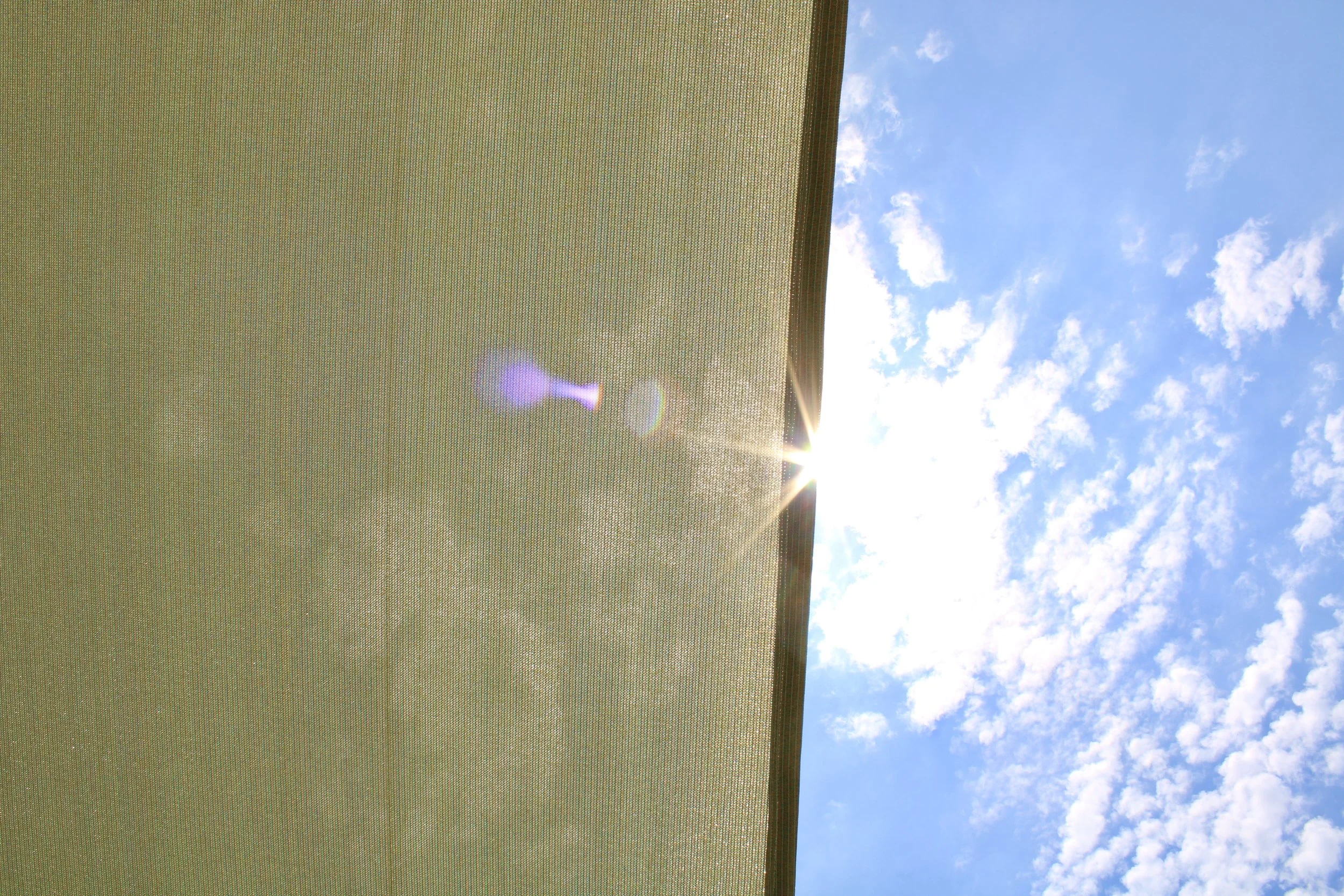
A canvas shade structure installed as part of MyRWA’s Wicked Cool Mystic Program
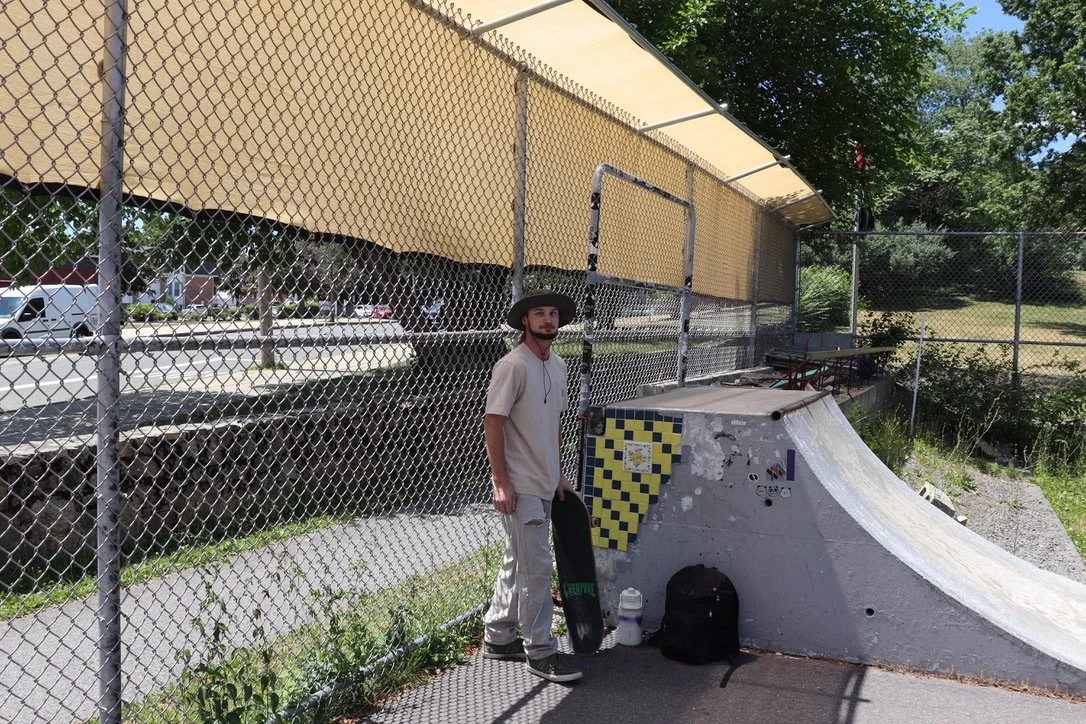
A skateboarder cools down beneath shading fabric in Malden installed as part of MyRWA’s Wicked Cool Mystic Program