AIR QUALITY MONITORING
About CLEANAIR
CLEANAIR is a three year study funded by the EPA to better understand the impacts of transportation-related air pollution (TRAP) in four communities within the lower Mystic watershed — Everett, Malden, Charlestown, and East Boston. The study included a collaborative community process for uplifting resident air quality concerns to guide the collection of air quality data, and an analysis of trends from long-term and short-term monitoring of ultrafine particles (UFP), an air pollutant produced by combustion (such as from gas-powered vehicles and planes), industry, and wildfires.
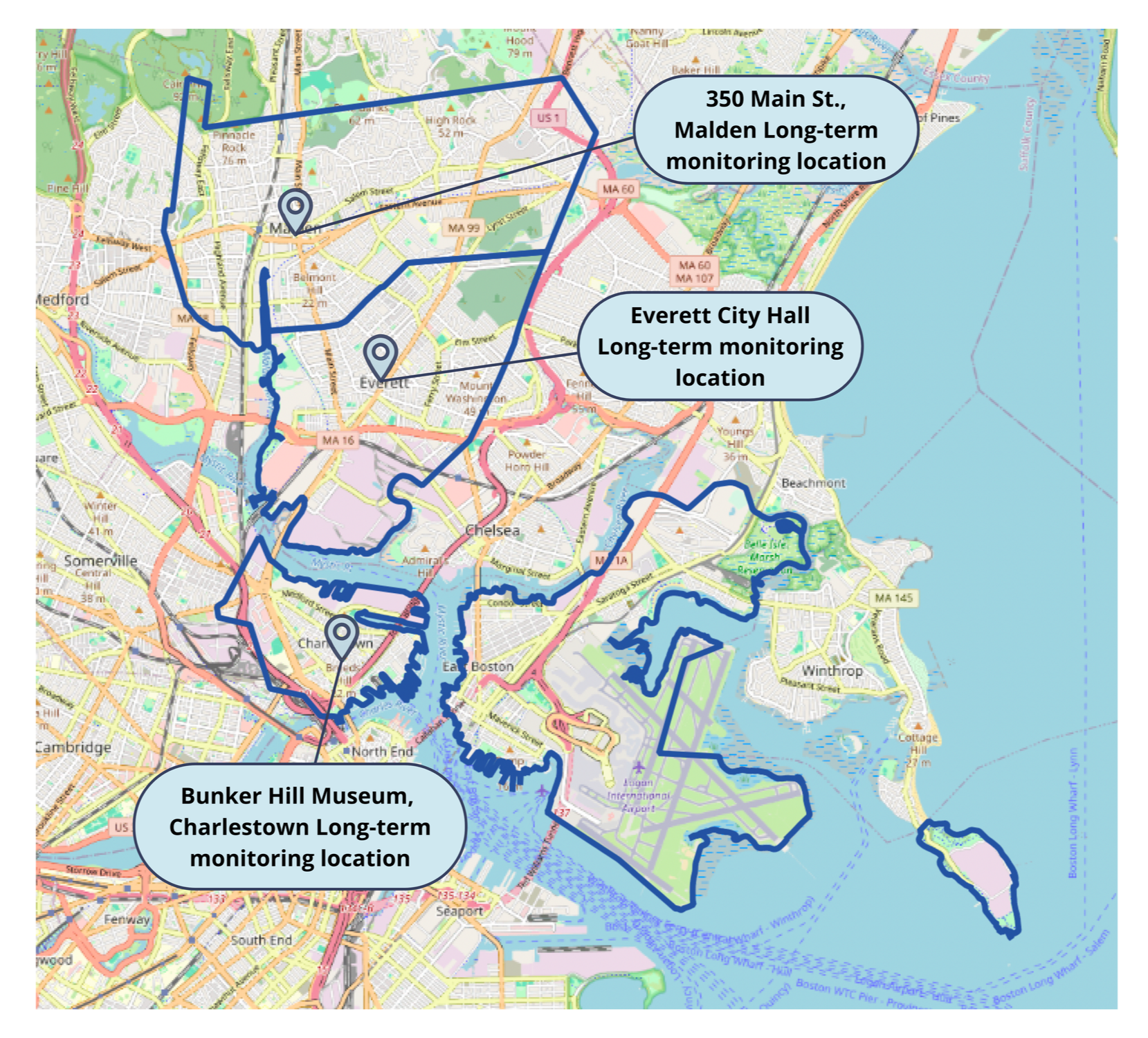
Map: CLEANAIR study communities outlined in blue with long-term monitoring locations indicated in Malden, Everett, and Charlestown. Long-term monitoring was not conducted in East Boston as part of this study due to the presence of other long-term monitoring efforts. Short-term monitoring efforts in Malden & Everett focused on impact of school traffic. Short-term monitoring efforts in Charlestown & East Boston were focused on the impact of major roadways that intersect the community.
Air Quality Findings
Study ReSULTS
Our monitoring results yielded consistent trends at all monitoring sites, such as higher Ultrafine Particle (UFP) concentrations during weekday rush hours (when there is often a high volume of gas- and diesel-powered vehicles in use). We also observed high UFP concentrations during southeast winds across our study area, pointing to a potentially significant, regional source such as Logan Airport. Additionally, short-term monitoring efforts at Malden and Everett schools showed 2-3 times higher UFP concentrations during pick-up and drop-off hours for regular school weeks compared to the same hours during vacation weeks, linking traffic during those hours to increased student exposure.
Results also revealed several notable local findings. In Malden, long- term monitoring at 350 Main Street detected a strong local source of pollutants from the southwest, potentially due to a food production facility. During regular school weeks in Everett, school sites saw as high as 4-fold UFP concentrations compared to the long-term central monitoring location at Everett City Hall, showing that these Everett schools have an elevated exposure to TRAP compared to other parts of the city. In Charlestown, concentrations were higher in summer than in other seasons unlike other communities and concentrations during the hours of 3PM-7PM were just as high and occasionally higher on weekends than on weekdays. In East Boston, measurements taken before and after the Sumner Tunnel closure showed no significant change in air pollutants on rerouted streets, suggesting that traffic through the tunnel is not the sole source of TRAP on streets near its entrance.
Webinar
Hear from the project team through this recorded webinar:
ACCESS THE DATA
Data collected during the CLEANAIR study are available to download from this Dropbox folder. Please reach out to us if you have any questions.
Action Guide

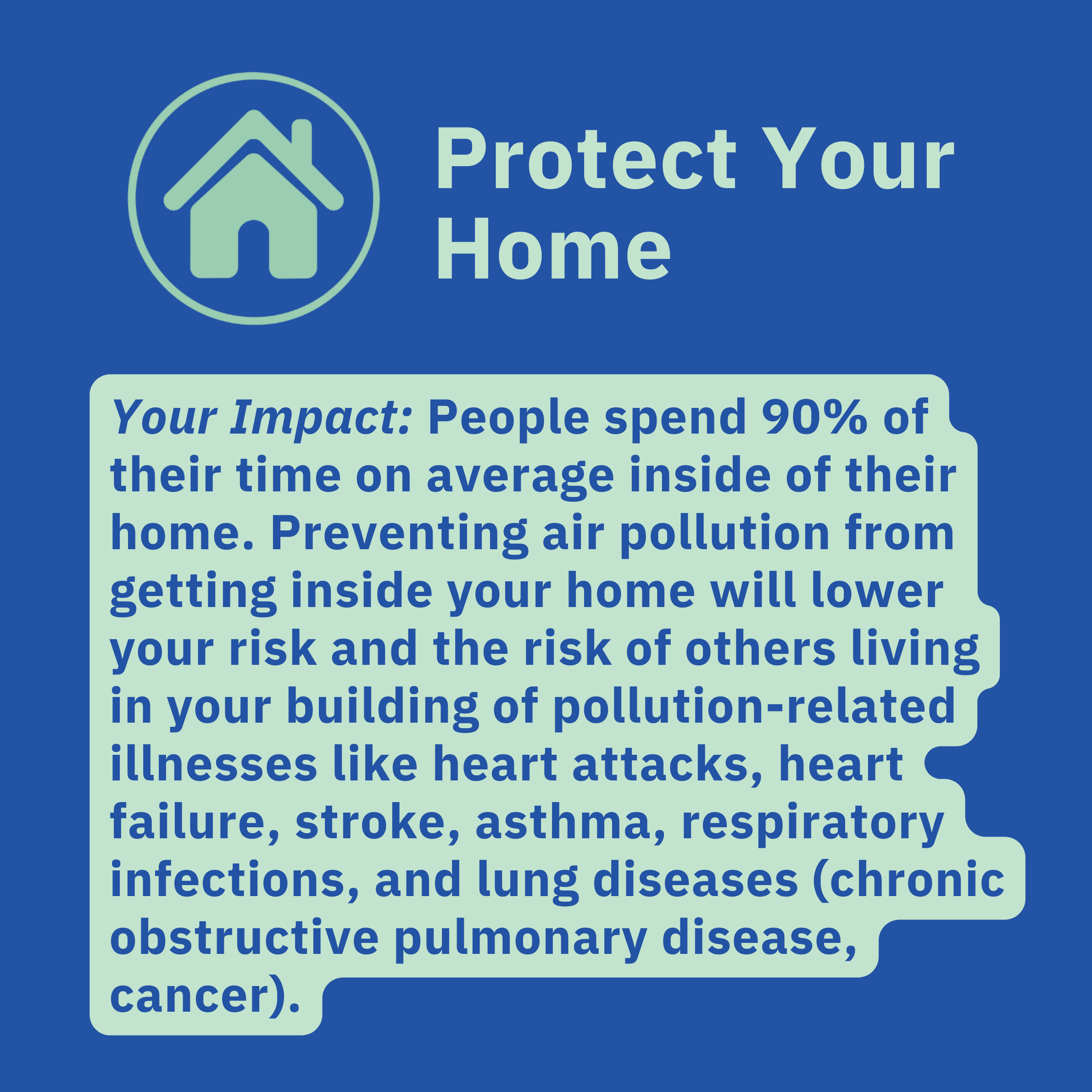
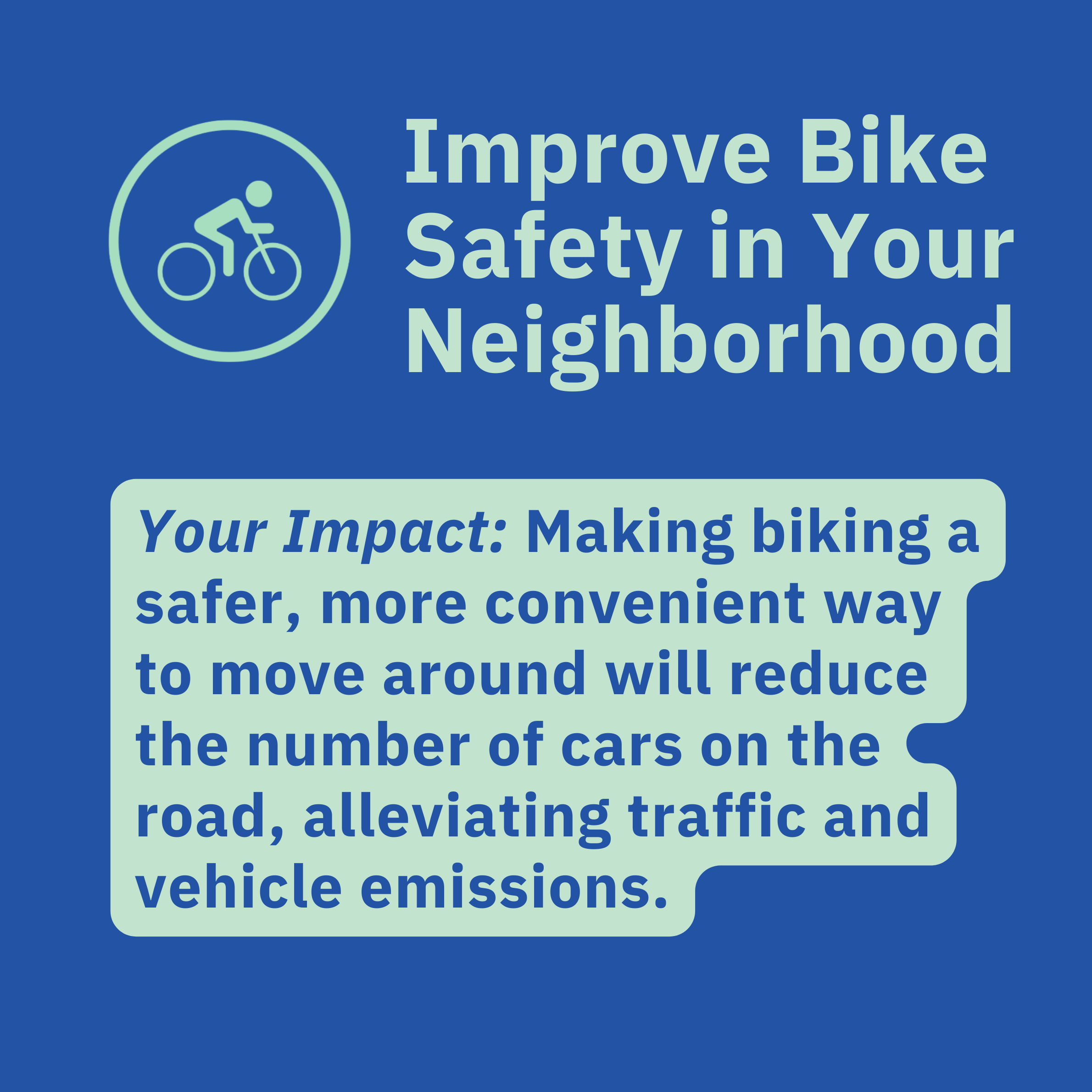

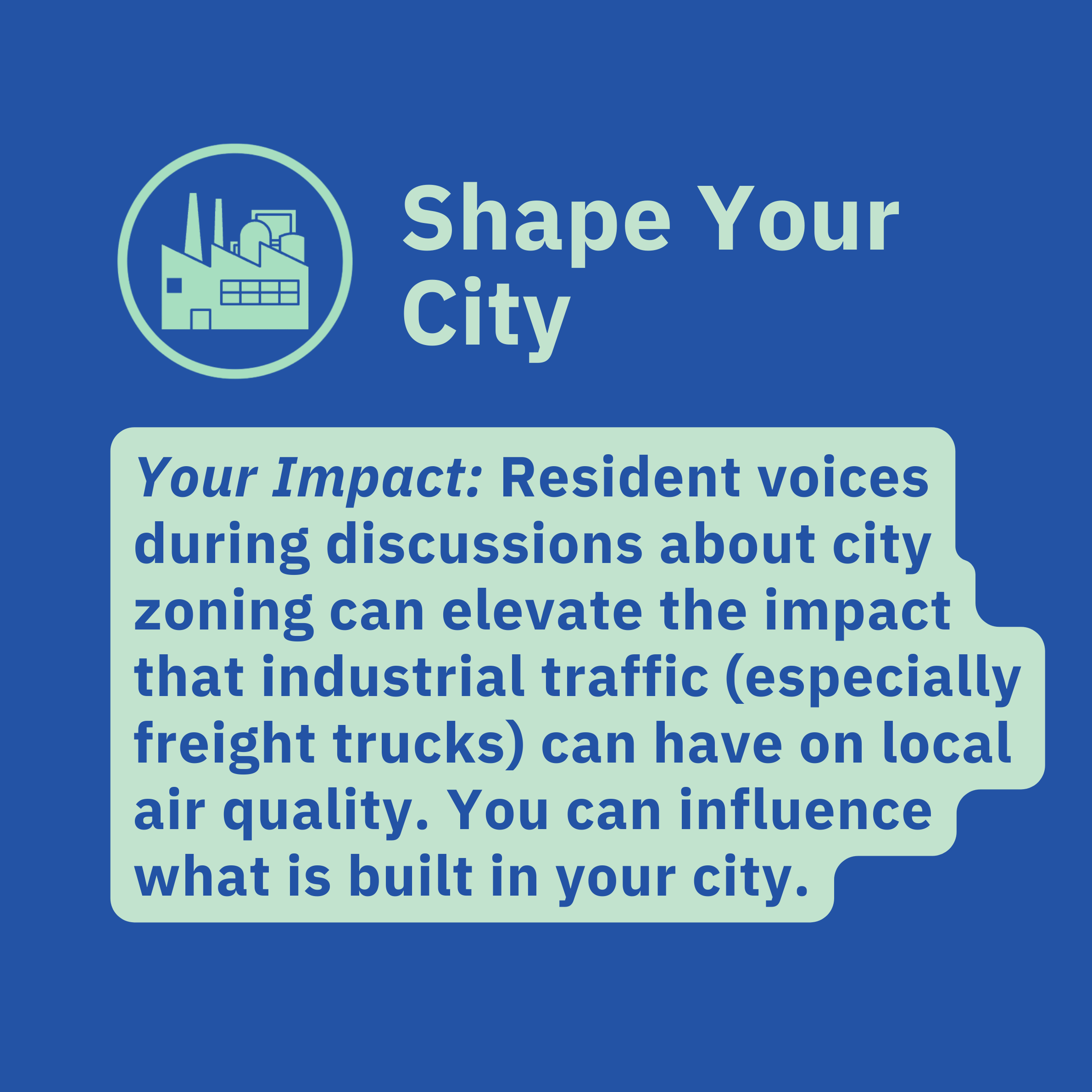
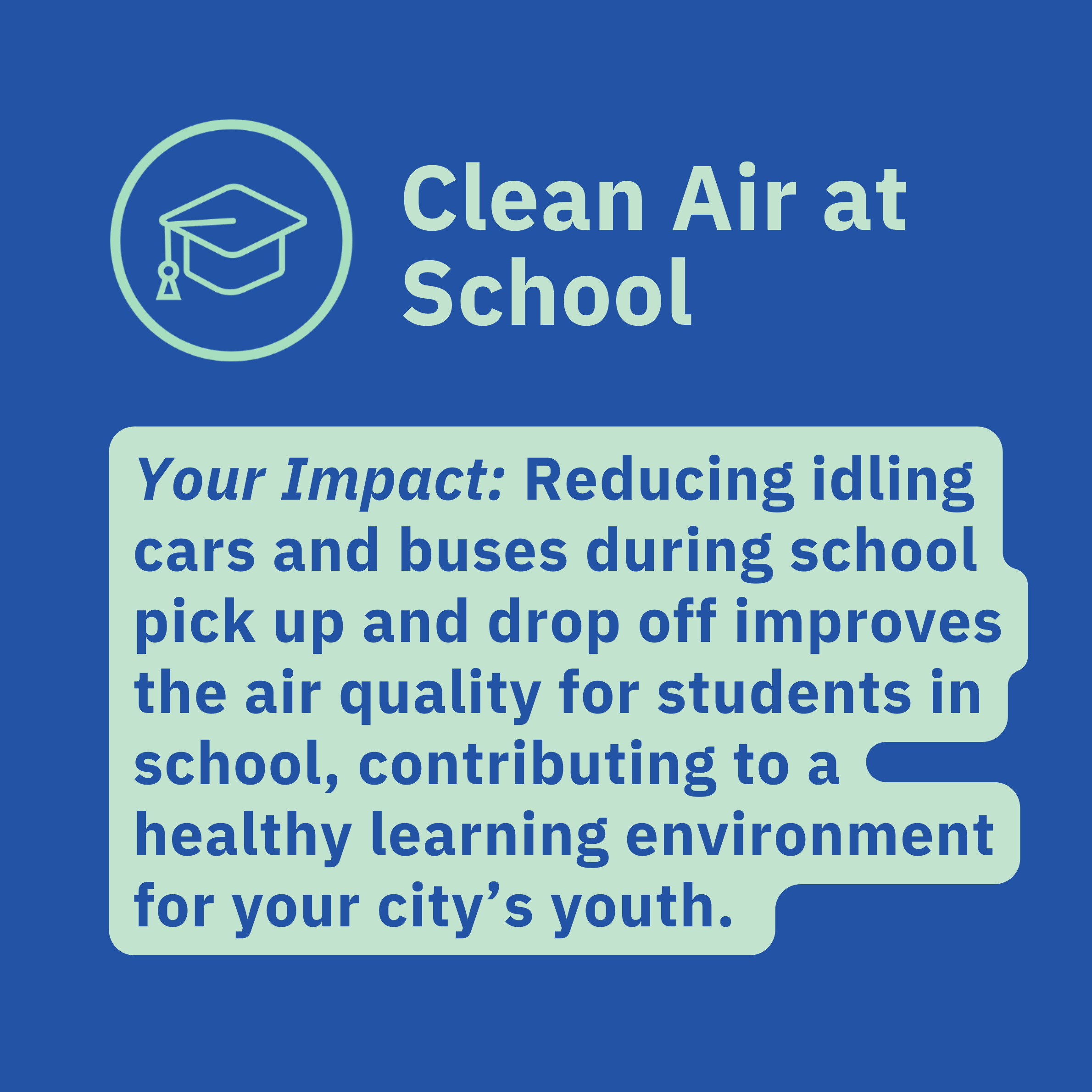
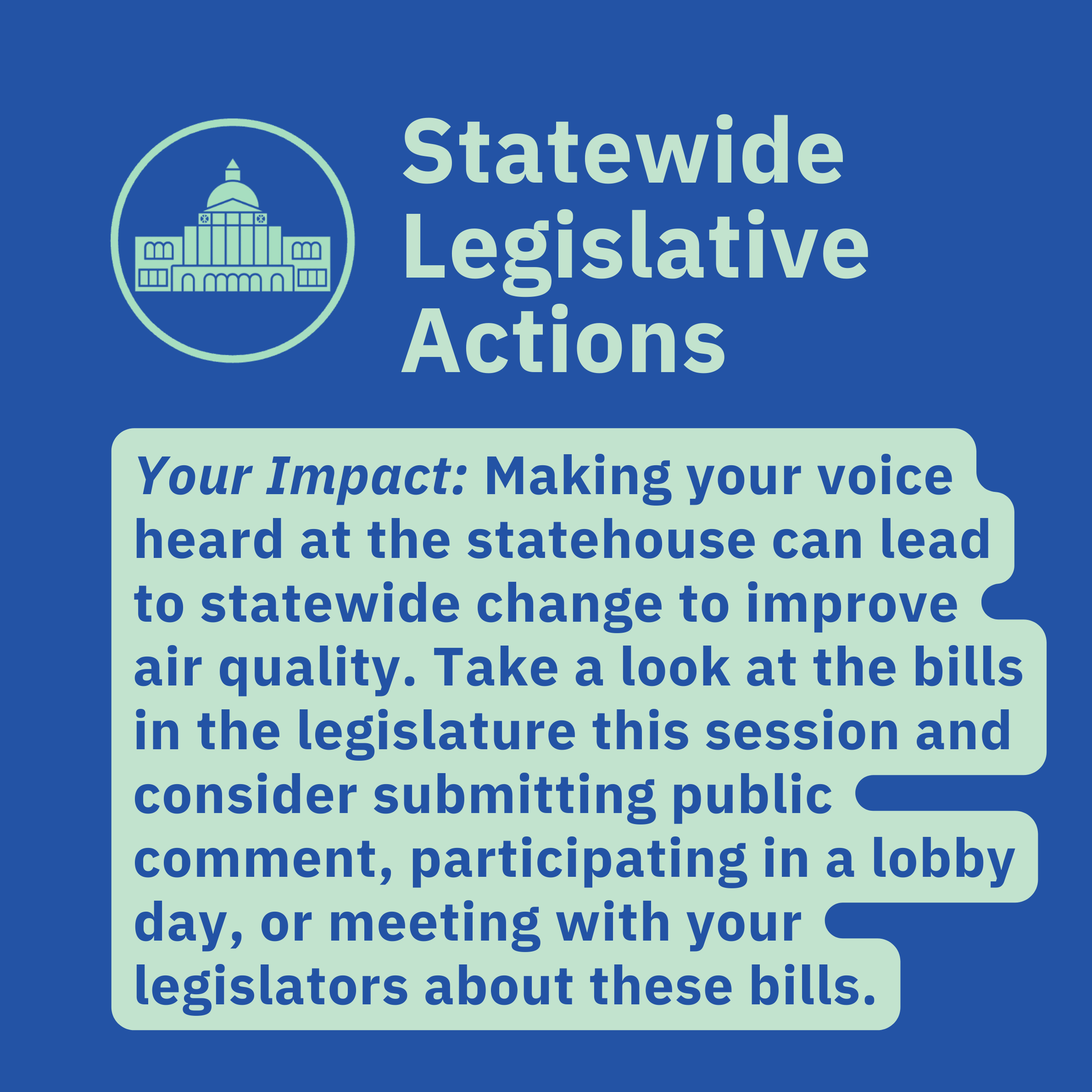
There are many ways that YOU can improve air quality in your community. Use this guide to identify actions you can take in areas that you’re passionate about. Whether you have a few minutes or want to work on long-term initiatives, you can make a difference for your health and the health of your neighbors.
Subscribe for CLEANAIR Project Updates
Join the CLEANAIR email list to receive project updates, opportunities to participate, and resources to learn more about transportation related air pollution (no more than one email per month, you can unsubscribe at any time).
Project Team
The CLEANAIR study was supported by a coalition of interdisciplinary partners, representing environmental advocacy (The Mystic River Watershed Association, Everett Community Growers), transportation-related advocacy (Airport Impact Relief, Inc.; Somerville Transportation Equity Partnership), health care (Cambridge Health Alliance) and government (City of Malden, Everett, and Boston). Researchers from Tufts University led the air quality monitoring campaign, while community engagement researcher consultants led the community engagement efforts. The collaboration of these organizations, stakeholders, community organizers, and residents brought multiple lenses and areas of expertise to propel the project forward.
Questions? Email cleanaircommunityengagement@gmail.com