Join us in celebrating some highlights from the past year!
Scroll through to see the progress we’ve made together this year towards protecting water quality, restoring biodiversity, building climate resilience, transforming parks and paths, and inspiring youth and community members. Thank you for supporting this work towards a more healthy, vibrant, and resilient watershed!
Protecting Water Quality
We raised our voices in opposition to the proposed Combined Sewer Overflow (CSO) Long Term Control Plan, which would have left our rivers with the lowest level of control for this major source of bacterial pollution. Your emails, letters, and calls led to a pause on the MWRA’s vote to approve the plan and an acknowledgement from Secretary Tepper and Mass DEP that more work needs to be done. In 2026, we hope to see a commitment to increased transparency around costs, benefits, and potential future CSO volumes with opportunities for robust public discussion. We remain steadfast in our view that the goal of this planning process must be the elimination of CSOs.
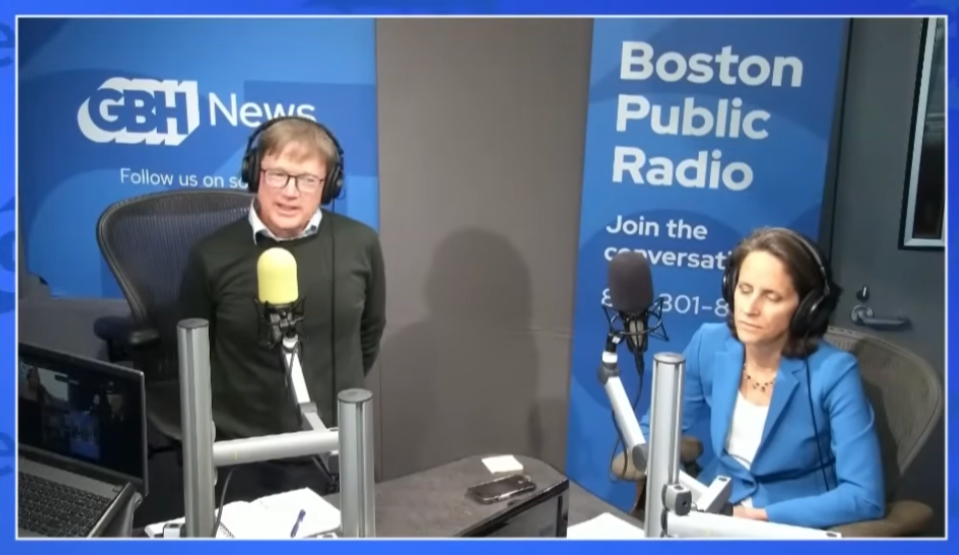
MyRWA Executive Director, Patrick Herron, appeared on GBH News Boston Public Radio in December alongside Charles River Watershed Association Executive Director Emily Norton to discuss CSOs. Credit: GBH
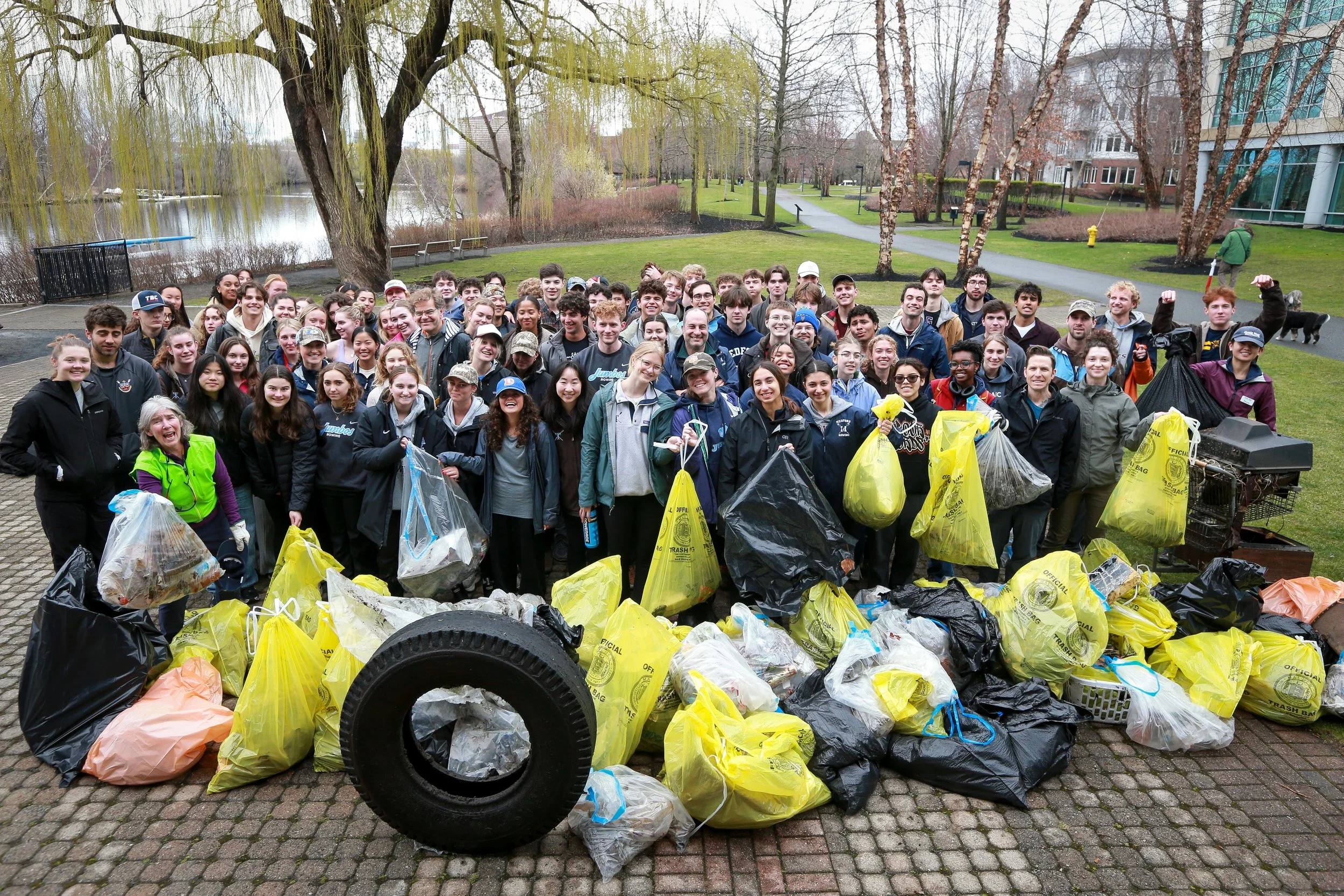
2025 Malden Spring Cleanup with Friends of the Malden River, Gentle Giant Rowing, MyRWA, Tufts Athletics, Tisch College, and Medford Rowing. Credit: Angela Rowlings
Piece by piece, volunteers removed over 20,000 lbs of trash from along our rivers across 34 cleanup events this year. The Malden River Trash Trap prevented a further 920 lbs of trash from flowing downstream, and 2290 storm drains across the watershed are being monitored by dedicated Adopt-a-Drain participants. These collective efforts are making a HUGE difference towards a Trash-Free Mystic.
Stormwater infiltration trenches are becoming a more prominent green infrastructure feature across the watershed. In 2025, we received over $1M to design and construct infiltration trenches in seven communities. New outreach materials published this year allow community members to meet the stormwater infiltration trench, a powerful tool against phosphorus pollution that disappears once installed under the road. Students can now take a virtual field trip to see how infiltration trenches work through a video created with Trillium Studios; and an ArcGIS storymap shows how this small but mighty green infrastructure works in tandem to reduce regional phosphorus pollution.
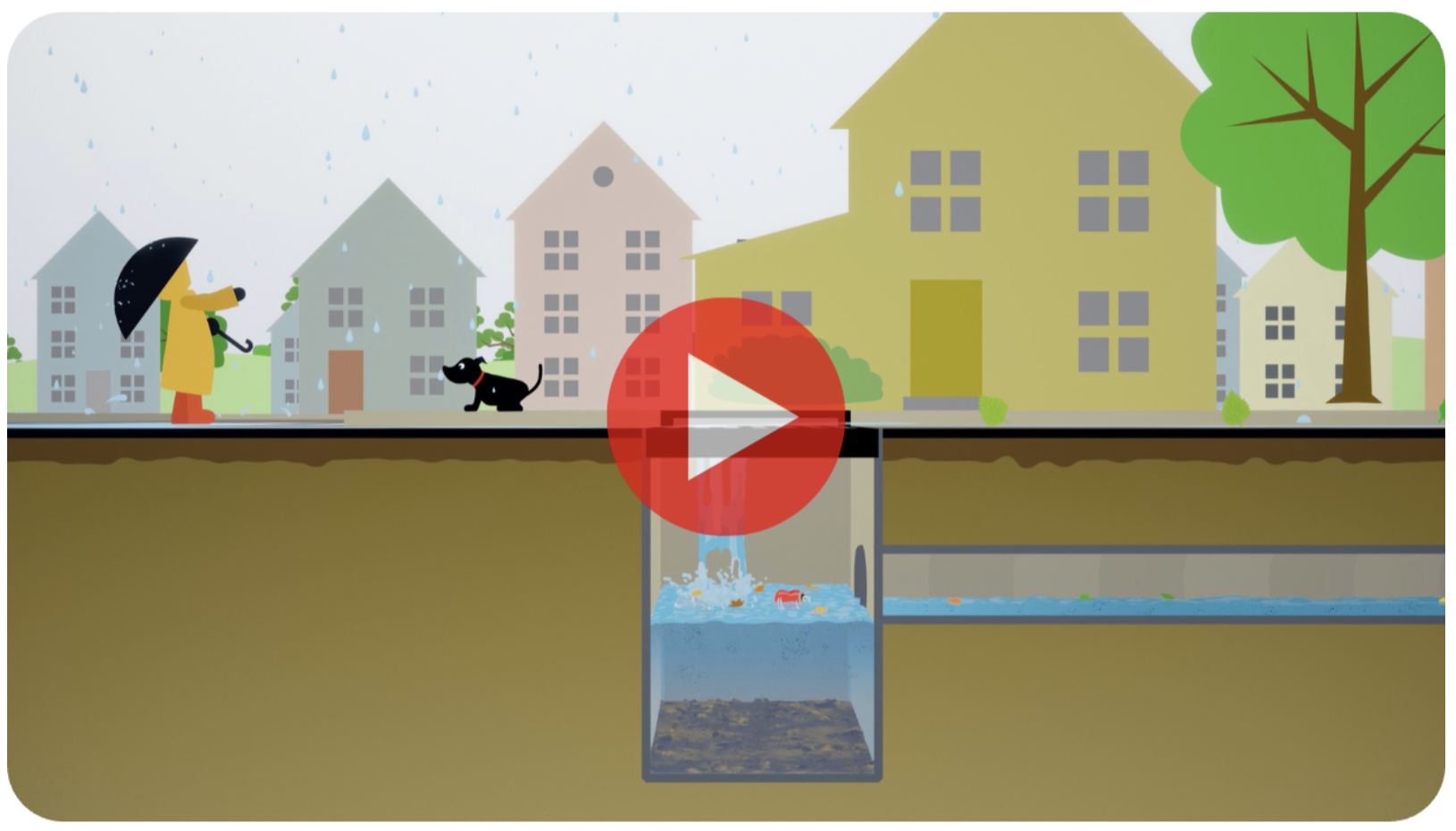
Animations explain how stormwater infiltration trenches help remove phosphorus pollution from local waterways. Credit: Trillium Studios
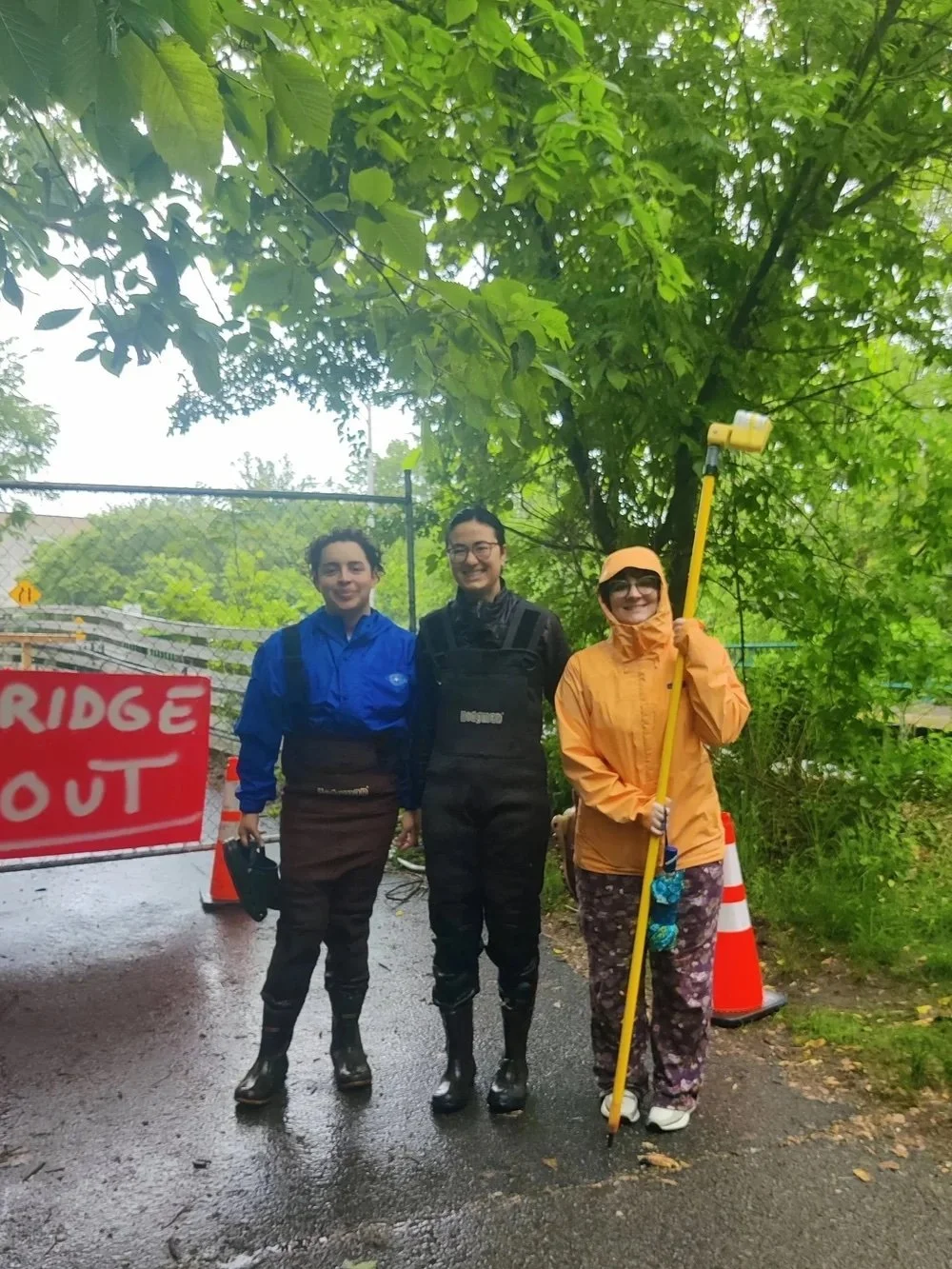
MyRWA summer Environmental Science & Stewardship fellows Juan, Kenna, Ry, and Heath collected samples to test phosphorus and bacteria levels during wet and dry weather conditions. Credit: Jennifer Delgado
Water quality sampling efforts continue to provide data that inform our interventions and advocacy. From monthly monitoring volunteers celebrating 25 years of commitment to our river to 2025 summer fellows learning the ropes and trialing new protocols, we are grateful for the strength of this program year over year.
Restoring Biodiversity
The recovery story of the river herring population in the Mystic continues with more than 815,000 river herring passing through the fish ladder at the Mystic Lakes Dam in Medford in 2025. This is the highest population estimate since MyRWA volunteers began monitoring at the Mystic Lakes Dam in 2012, and is for the second year in a row - the largest herring migration recorded in the state. Volunteer data and community advocacy continue to push forward the Horn Pond Fish Passage Project, now in the permitting phase, which will improve migration conditions for herring and could enable our herring run to reach over a million fish.
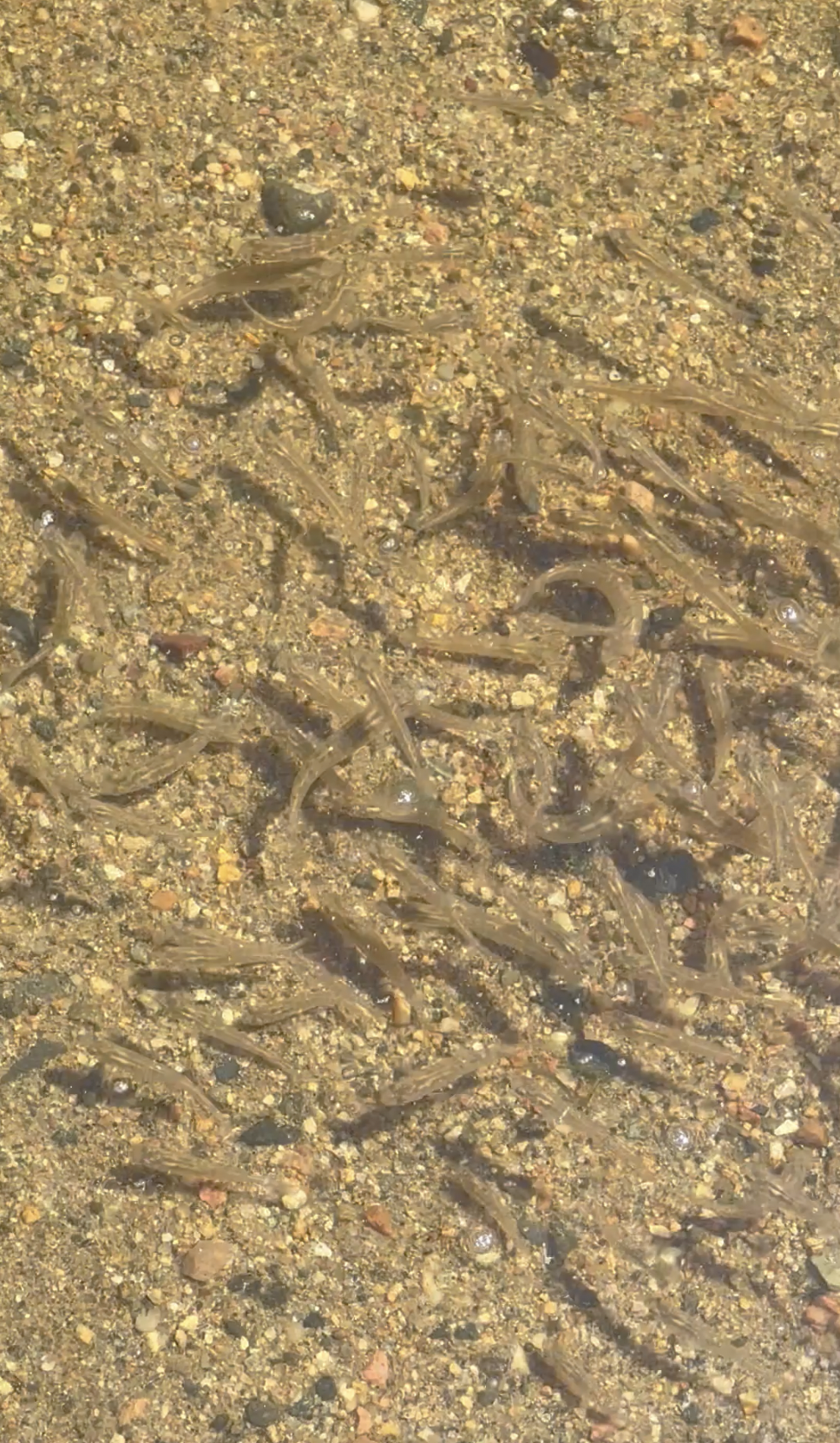
Young river herring “fry” swimming at Horn Pond. Credit: Jim Joyce
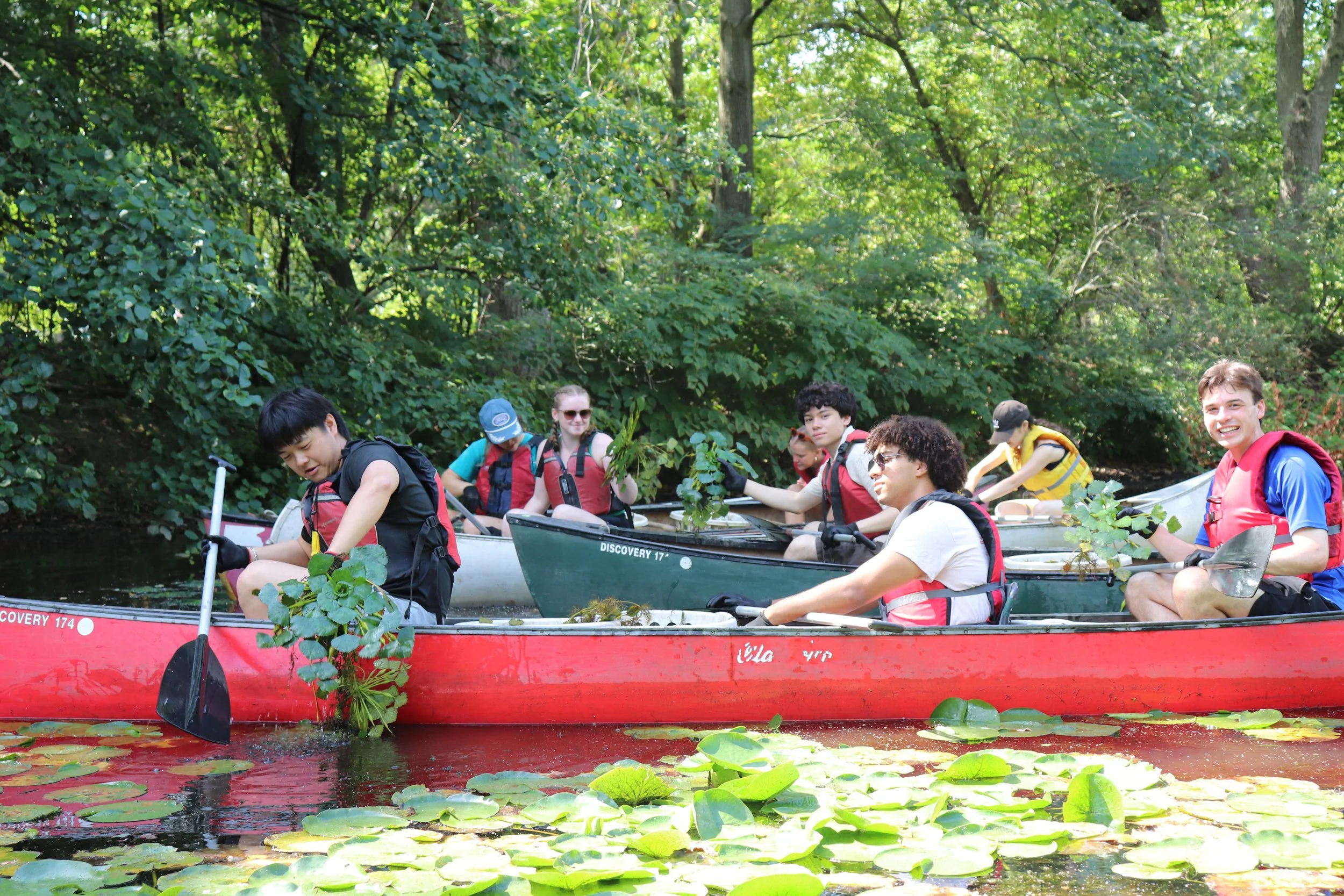
Volunteers hand-pulling water chestnut on the Mystic River. Credit: Isaiah Johnson
11 years of effort to remove invasive water chestnut in the Mystic River is paying off. Volunteers found just 1,400 lbs of water chestnut in the river this year compared to 130,000 lbs in 2014. That’s a 99% reduction in this harmful invasive aquatic plant! We will continue to monitor and remove any water chestnut found in the Mystic River while conducting volunteer handpulling effort at other watershed locations battling water chestnut including the Arlington Reservoir and Horn Pond. Our first ever event at Horn Pond this summer with Friends of Horn Pond and the Woburn Conservation Commission was a huge success, with volunteers barely able to fit the 15,000+ lbs of water chestnut collected into our compost dumpster.
MyRWA volunteers worked alongside city and Department of Conservation and Recreation staff to steward important habitats across the watershed – wetlands at Gateway Park, woods in the Mystic River Reservation, and the largest remaining salt marsh in Boston Harbor (Belle Isle Marsh). In 2025, we removed 95 bags of invasive garlic mustard and 112 bags of invasive bittersweet and black swallow-wort vines. Keeping these invasive plants at bay helps keep trees healthy and opens up space for native plants to grow.
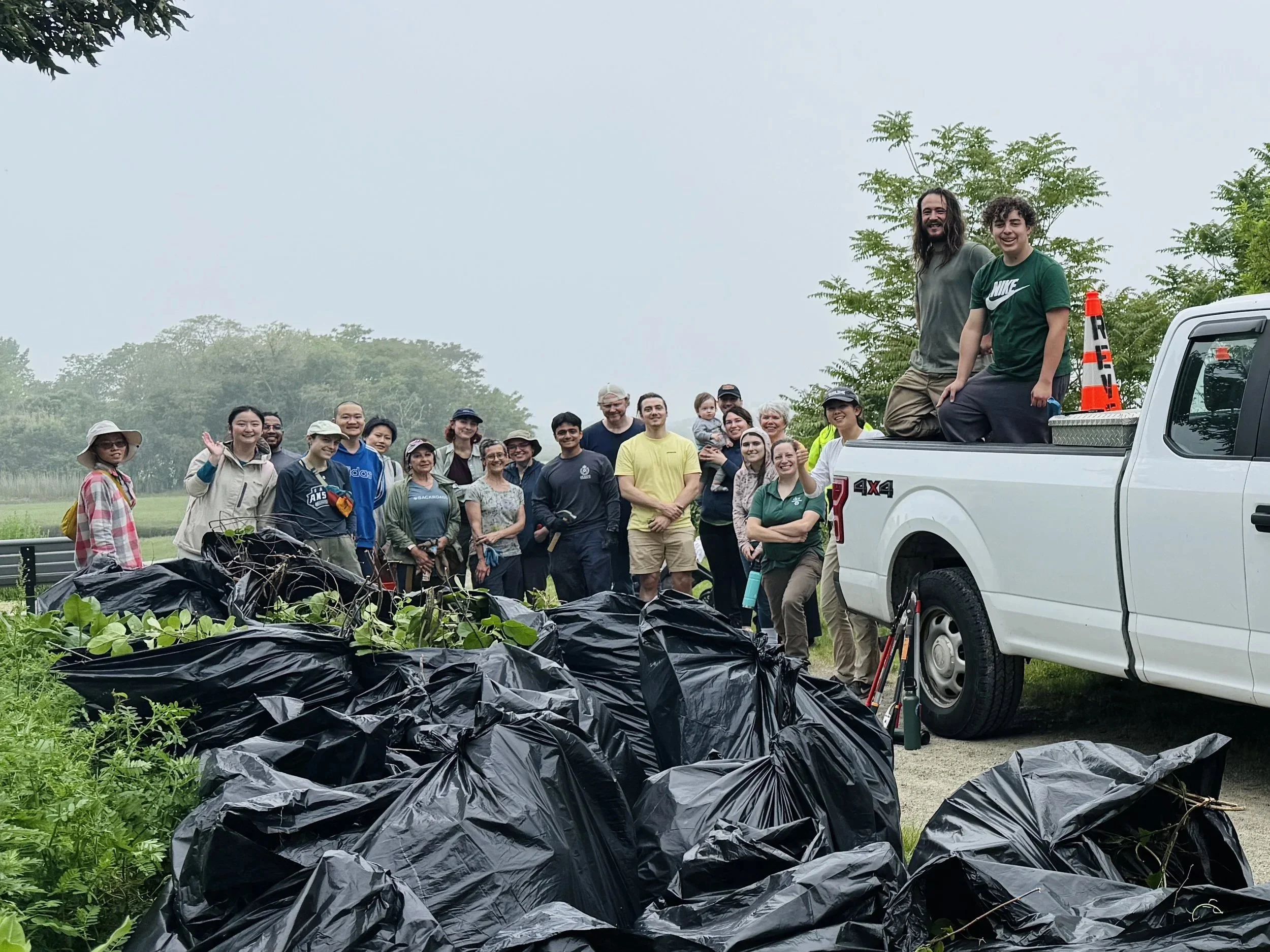
Volunteers with a huge haul of invasive garlic mustard and bittersweet collected from Belle Isle Marsh. Credit: DCR
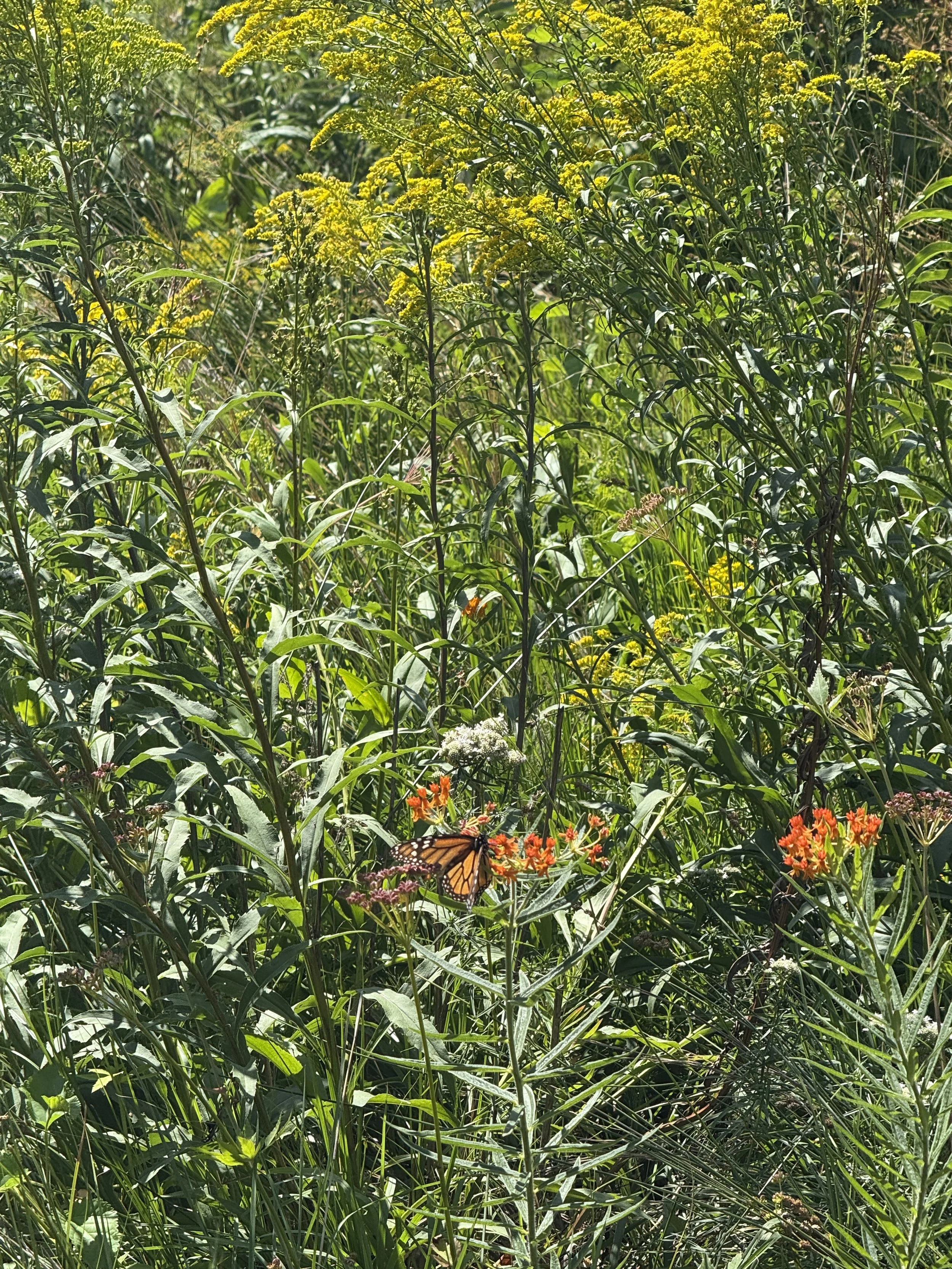
A monarch butterfly at the Blessing of the Bay meadow in July. Credit: Daria Santollani
Now fully established, the Blessing of the Bay native pollinator meadow had a wonderful year of growth. This trial meadow is the first to be planted on the Mystic River Reservation and learnings from the meadow will inform future native plantings across the 370-acre linear reservation and beyond. We are encouraged to see the meadow already hosting monarch butterflies!
Building Climate Resilience
Our watershed’s urban canopy saw 273 trees and 2158 saplings join its ranks. Volunteers and tree recipients joined MyRWA team members, community organizations, municipal staff across multiple departments, and Resident Tree Ambassadors to get trees planted across Chelsea, Everett, and Somerville. Tree species planted are native to this area, grow canopies that provide shade, and bring many more benefits to the surrounding community.
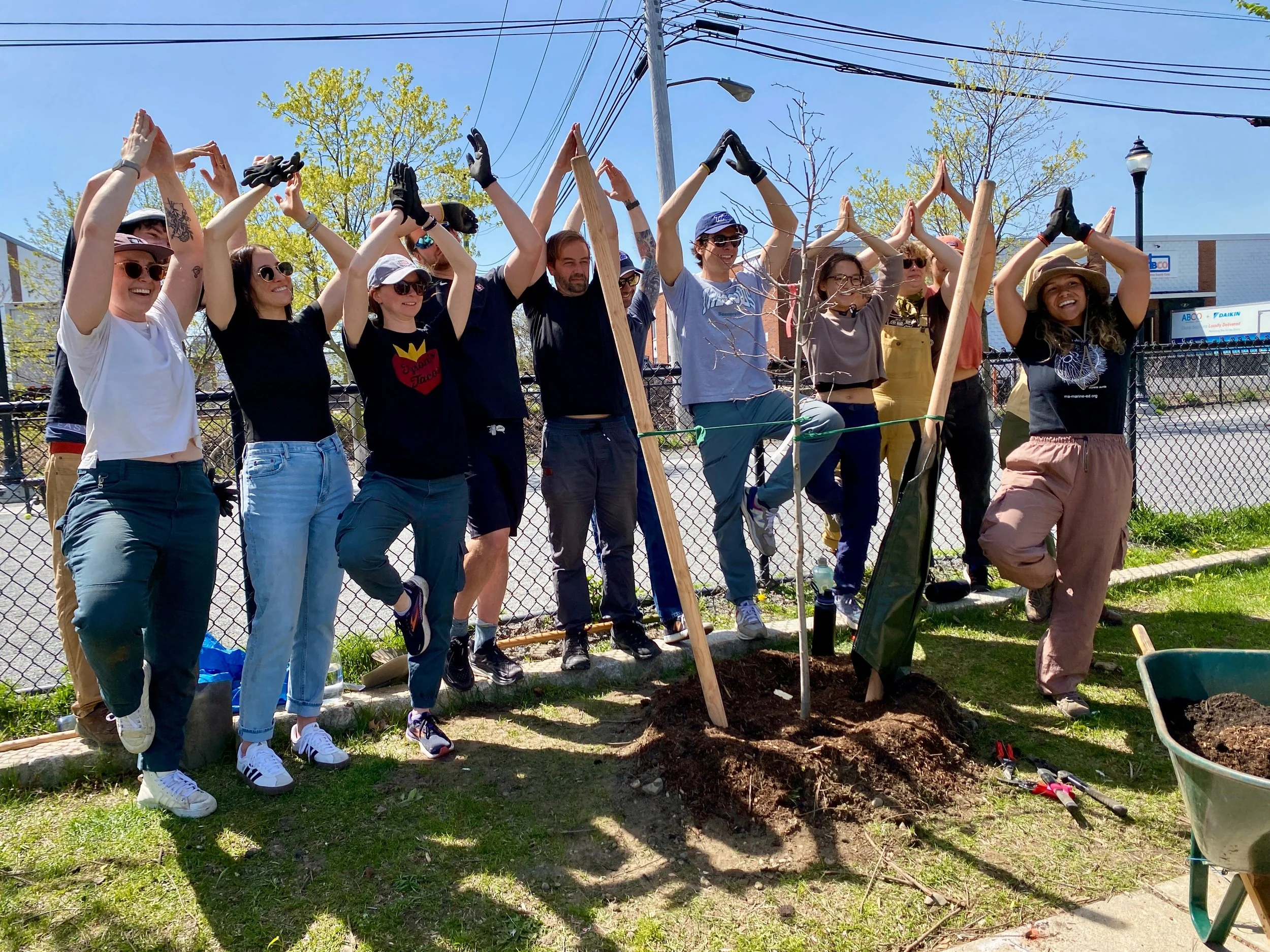
Volunteers next to a tree they planted at Zero New Washington park in Somerville. Credit: City of Somerville
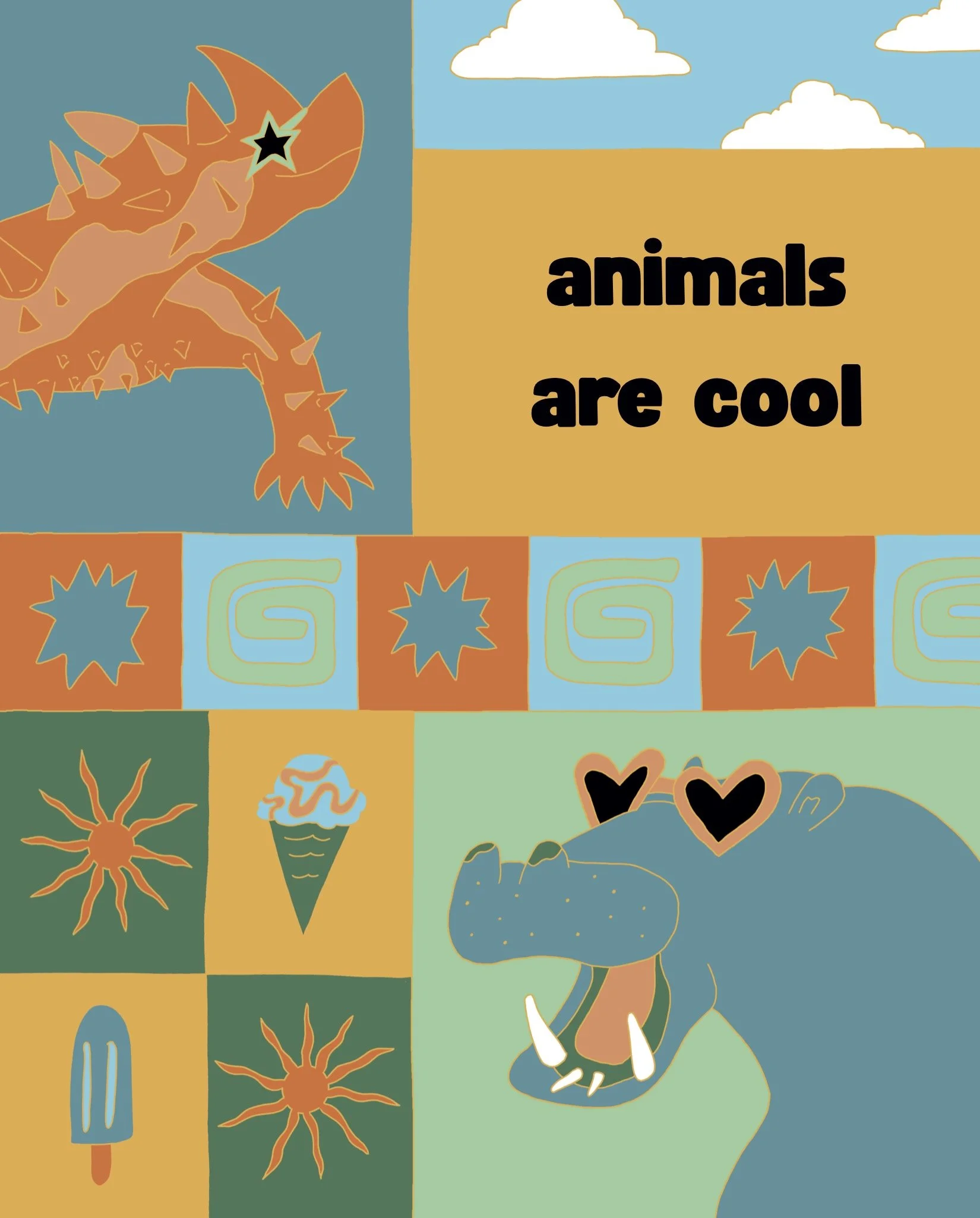
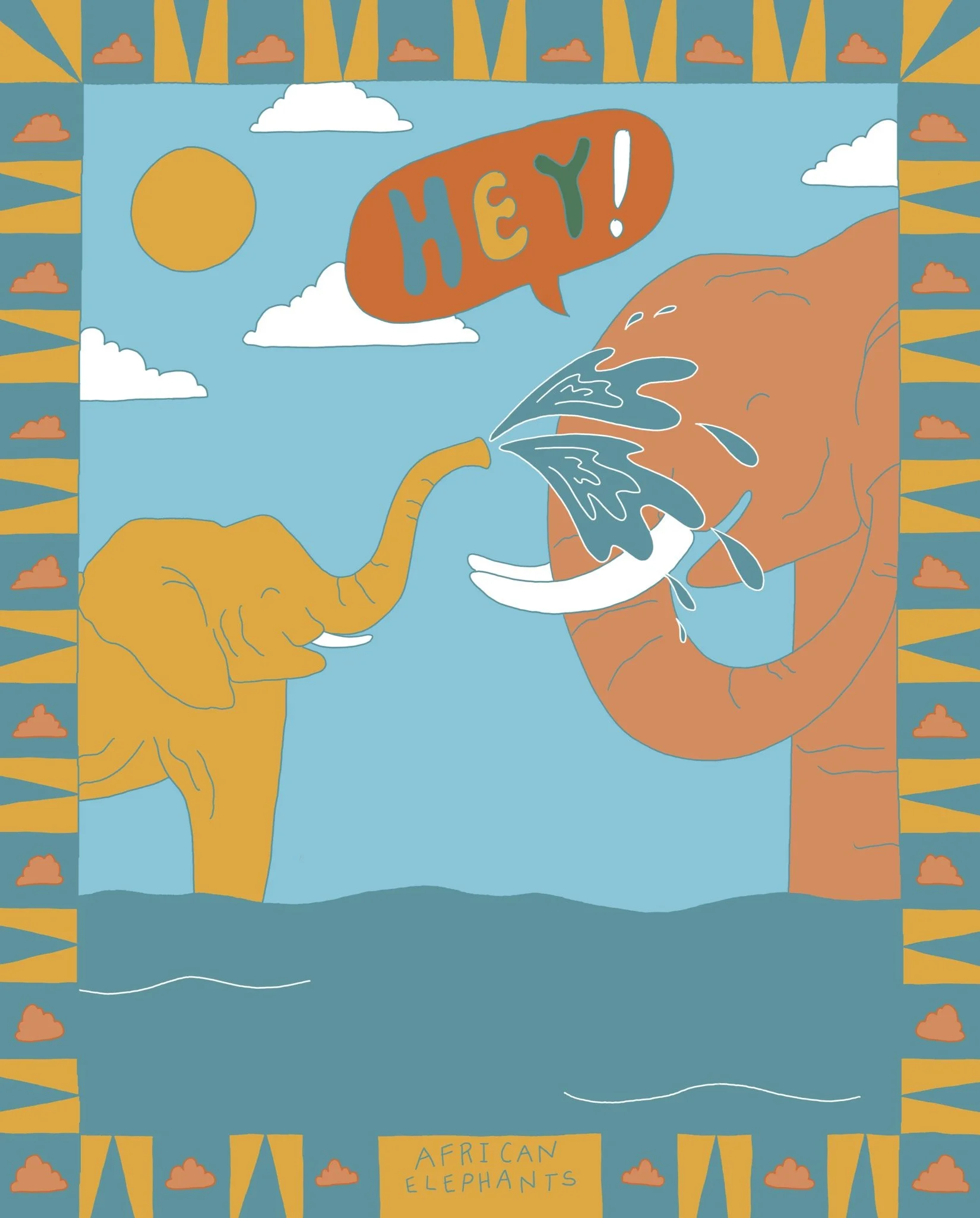
Pages from the Animals are Cool booklet. Credit: Hania Mariën and Anna Lucia Deloia
MyRWA and MAPC worked with five artists to develop engaging materials to teach people about staying safe in extreme heat. Artworks included a picture book of what we can learn from other animals’ adaptations to extreme heat, a Tropical Resilience Lounge Pop-up, and a prize machine that spits out tips you can take home with you.
We listened and learned across 41 events about how you experience extreme weather and what interventions you want to see in your neighborhood. Thirteen resident climate leaders from Arlington, Chelsea, Everett, and Malden connected with hundreds of their neighbors to discuss cooling solutions and climate preparedness in their communities. In their discussions, many people often highlighted the importance of trees, water, and shading structures. We also partnered with eight community organizations in nine municipalities to host events focused on stormwater flooding. Resident leaders filled these events with fun, games, and food to showcase a core part of resilience which is getting to know and care for your neighbors.
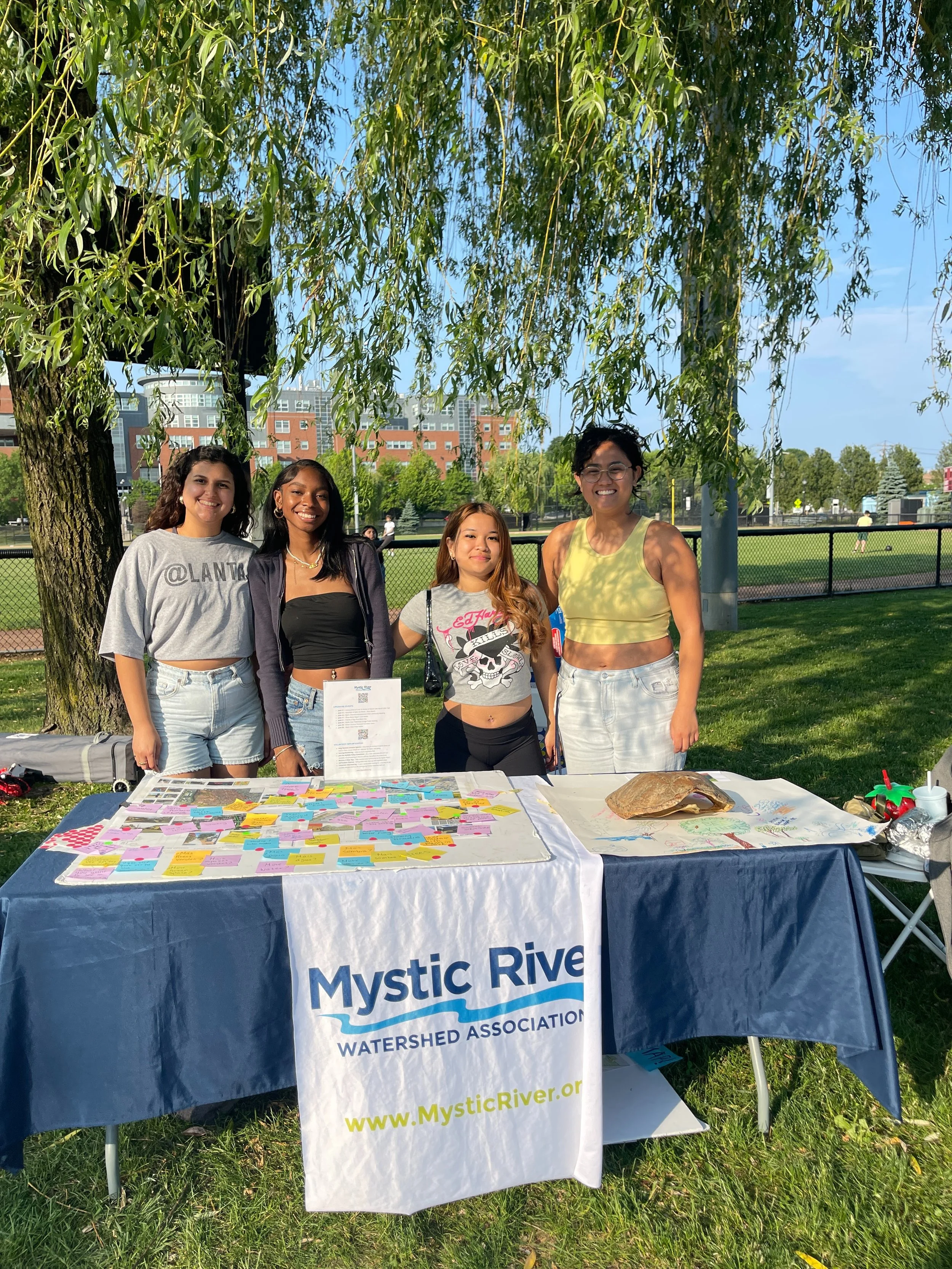
Everett Climate Leaders hosted an Eco-Sports festival at Glendale Park to enjoy time outside and talk with families about how they stay cool. Credit: Marissa Zampino
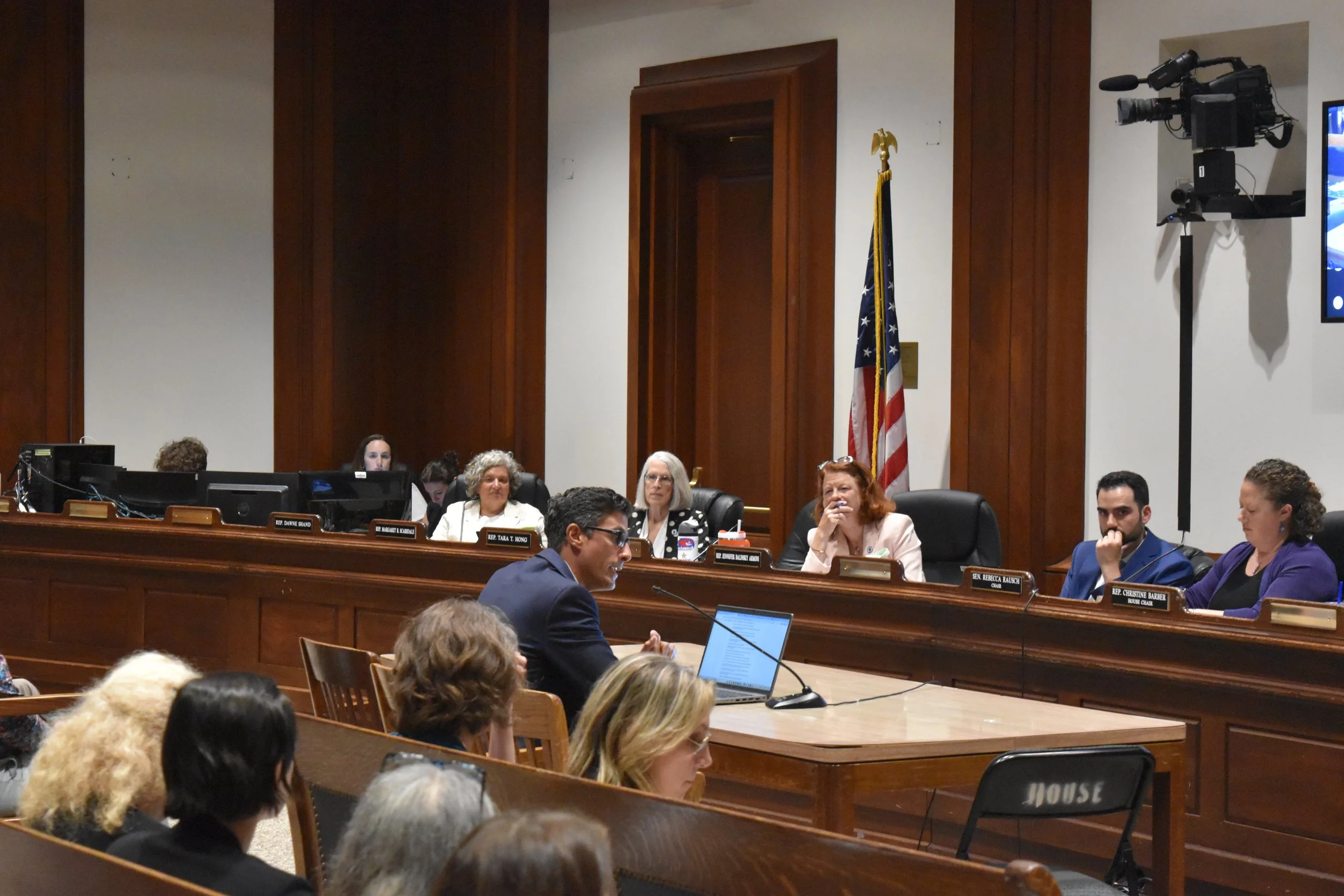
MyRWA Director of Climate Resilience Nasser Brahim testified at the Environmental Bond Bill Hearing on July 15th, 2025. Credit: Isaiah Johnson
We made sure the Mystic River watershed had a voice in statewide climate resilience policies. We brought a MyRWA contingent to two watershed lobby days focused on funding for climate resilience and green spaces, organized testimony from 14 regional organizations and 39 municipalities in support of $500M for the MVP resilience grant program in the state environmental bond bill, and testified in support of bills to hold fossil fuel companies accountable, make homes and buildings safer from climate impacts, and require disclosure of past flooding to home buyers and renters. We also co-authored an op-ed urging state leaders to help find a funding solution for the Island End River Flood Resilience Project - a priority for regional food security and climate justice - which was stripped of federal funding.
Transforming Parks & Paths
We celebrated the opening of Little Mystic Plaza in Charlestown and the Clippership Connector in Medford. Little Mystic Plaza replaces old cracked asphalt with green space, trees, shade, and benches, providing better opportunities for recreation, access to nature, and climate resiliency for the surrounding community. The Clippership Connector, a decade in the making, is a path that runs for a half mile between Riverbend Park and Medford Square, connecting more than a dozen miles of contiguous greenways.
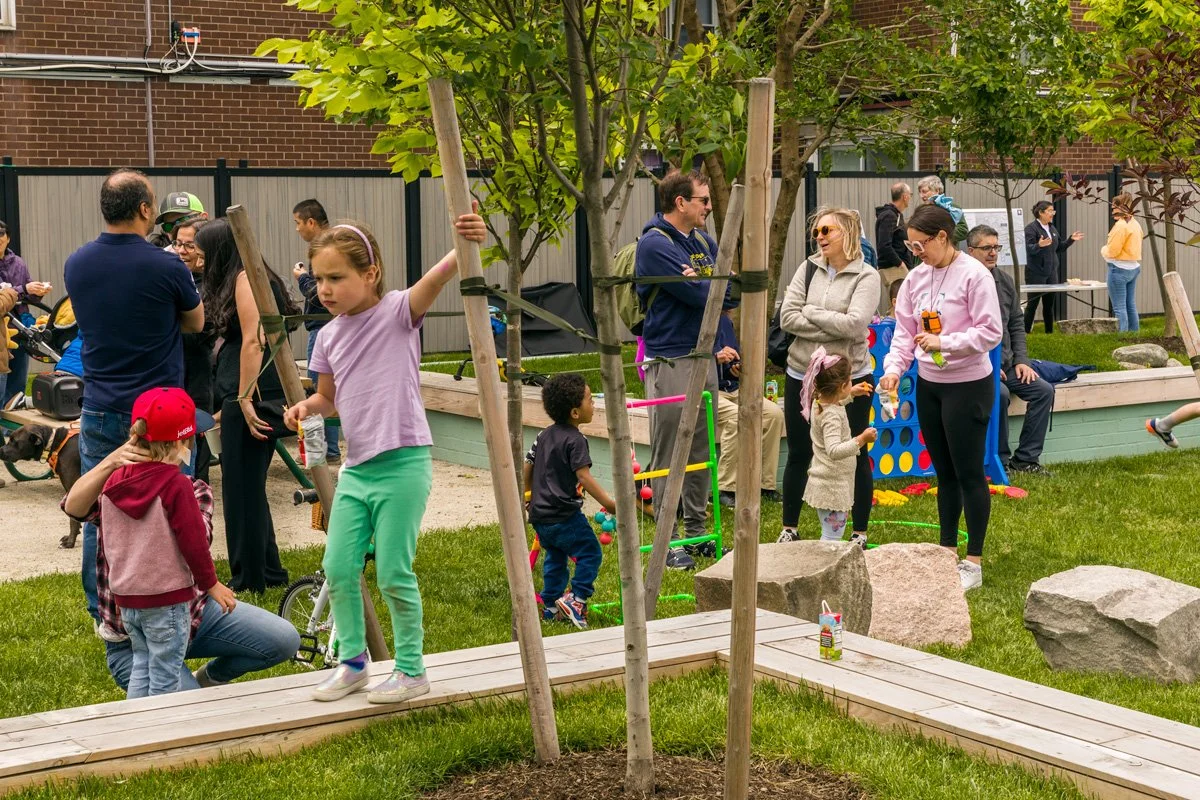
Families enjoy new spaces at the Little Mystic Plaza Grand Opening celebration on June 1st, 2025. Credit: David Mussina
A rendering from the Mystic Shoreline Revitalization Plan showing recommendations for Shannon Beach Picnic Area proposed improvements including an accessible, unpaved path, an accessible picnic table, a stone overlook with steps down to the lake, and revegetation of the shoreline. Credit: Halvorson, Tighe&Bond Studio
Guided by a steering committee of local residents, the Mystic Shoreline Revitalization planning process engaged hundreds of community members to identify accessibility and ecological improvements for the eastern shoreline of the Mystic Lakes and the Mystic River in West Medford. The plan recommends conservation-focused improvements including shoreline stabilization, habitat restoration, and stormwater management and recreational improvements including an enhanced path network, scenic viewpoints and overlooks, new launches for non-motorized boating, seating, and improved parking demand management. This plan will be used as a guiding resource for future projects along this three-mile stretch of waterway.
Mystic Greenways Fellows led a summer outreach effort to understand community perspectives on our local greenways. They designed several creative tools for gathering input including a prize wheel and jenga-style Q&A, surveying more than 350 community members across 10 municipalities! Their findings that community members have interest in seeing more structured programming, improved safety measures and amenities, spaces for social gathering, and opportunities to learn about nature give us great inspiration for future work along the Mystic Greenways.
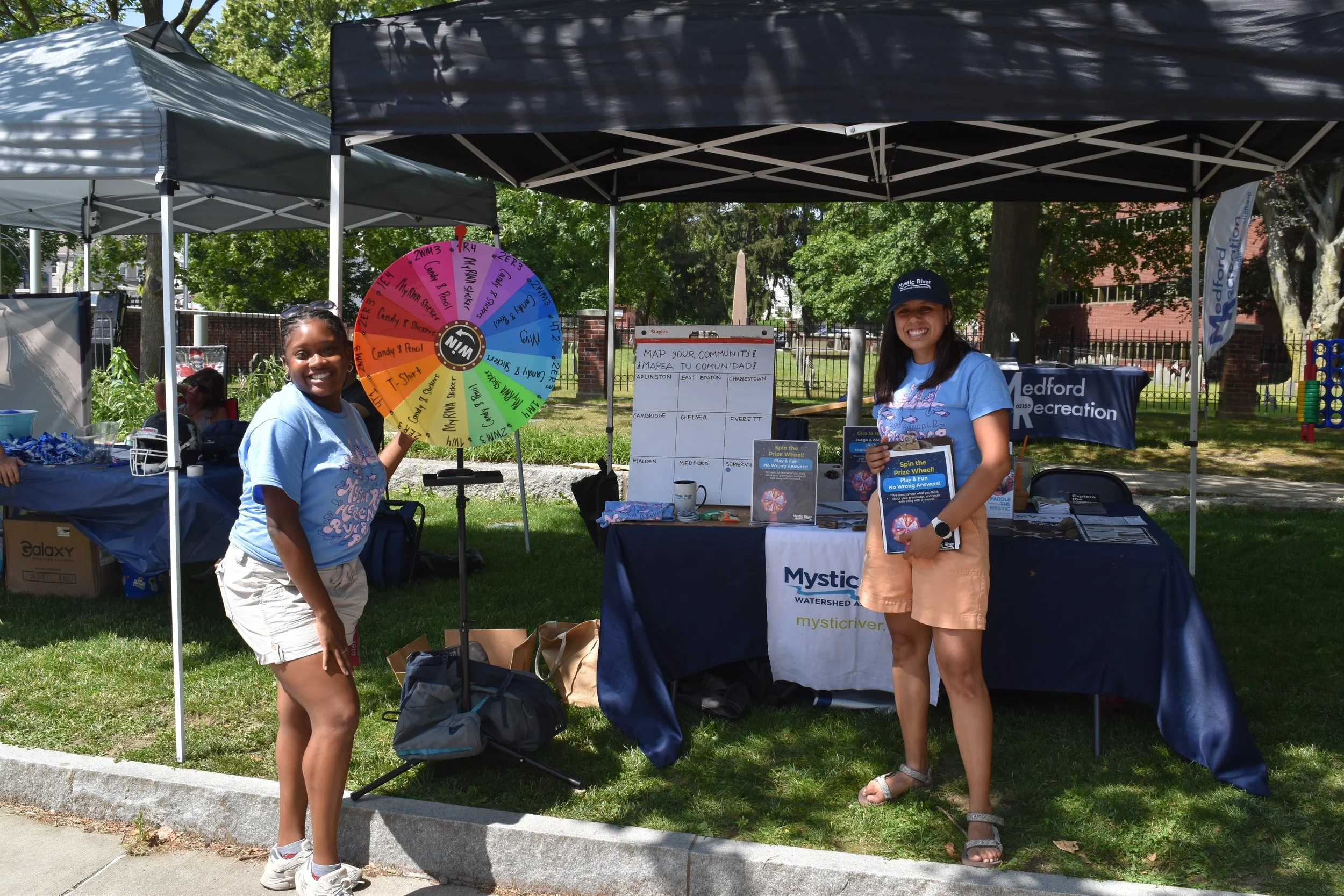
Mystic Greenways Fellows Reece and Alessandra chatting with community members at the Circle the Square event in Medford. Credit: Isaiah Johnson
Inspiring Youth & Community Members
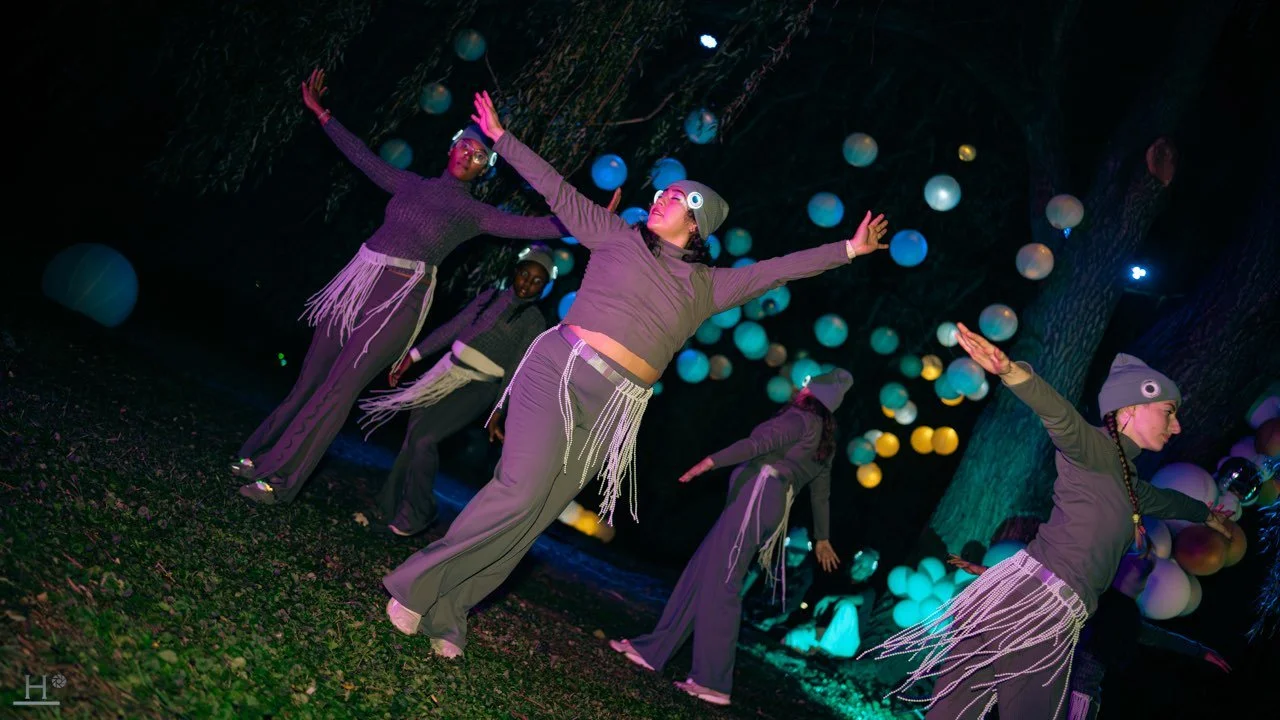
A dance performance of herring swimming together upstream to spawn. Credit: Humberto Salazar
Our first ever Artist-in-Residence Andres Duarte brought themes of resilience, movement, and connection to life through performances, murals, and wearable art. Inspired by the annual migration of river herring, Andres led a Fish on Wheels performance, Dance of the Herring show, and a Farewell to Herring Fish bike ride. He completed murals along the Northern Strand Community Trail and on the Arts Collaborative Medford building with funding in part by a grant from the Medford Arts Council, a local commission that is supported by the Massachusetts Cultural Council and the City of Medford.
5,764 watershed students participated in MyRWA education programming, more than double the number of students we engaged in 2024. Our education program continues to get stronger and more creative each year. In 2025, we introduced infiltration trench models, a 3D printed herring food web, and artist collaborations to give students new hands-on ways to learn. We also saw students give back to the watershed in amazing ways – holding community meetings to raise money for water quality, getting their hands in the dirt to remove invasive plants, and being the voice to educate their neighbors.
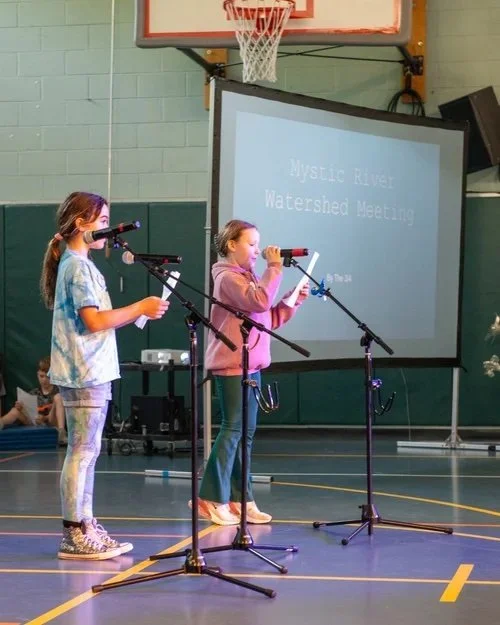
Fayerweather 3rd and 4th grade students host a community meeting to increase awareness about water quality in the Mystic River and Alewife Brook. They raised $1,250 for MyRWA to support our clean water efforts! Credit: Fayerweather School
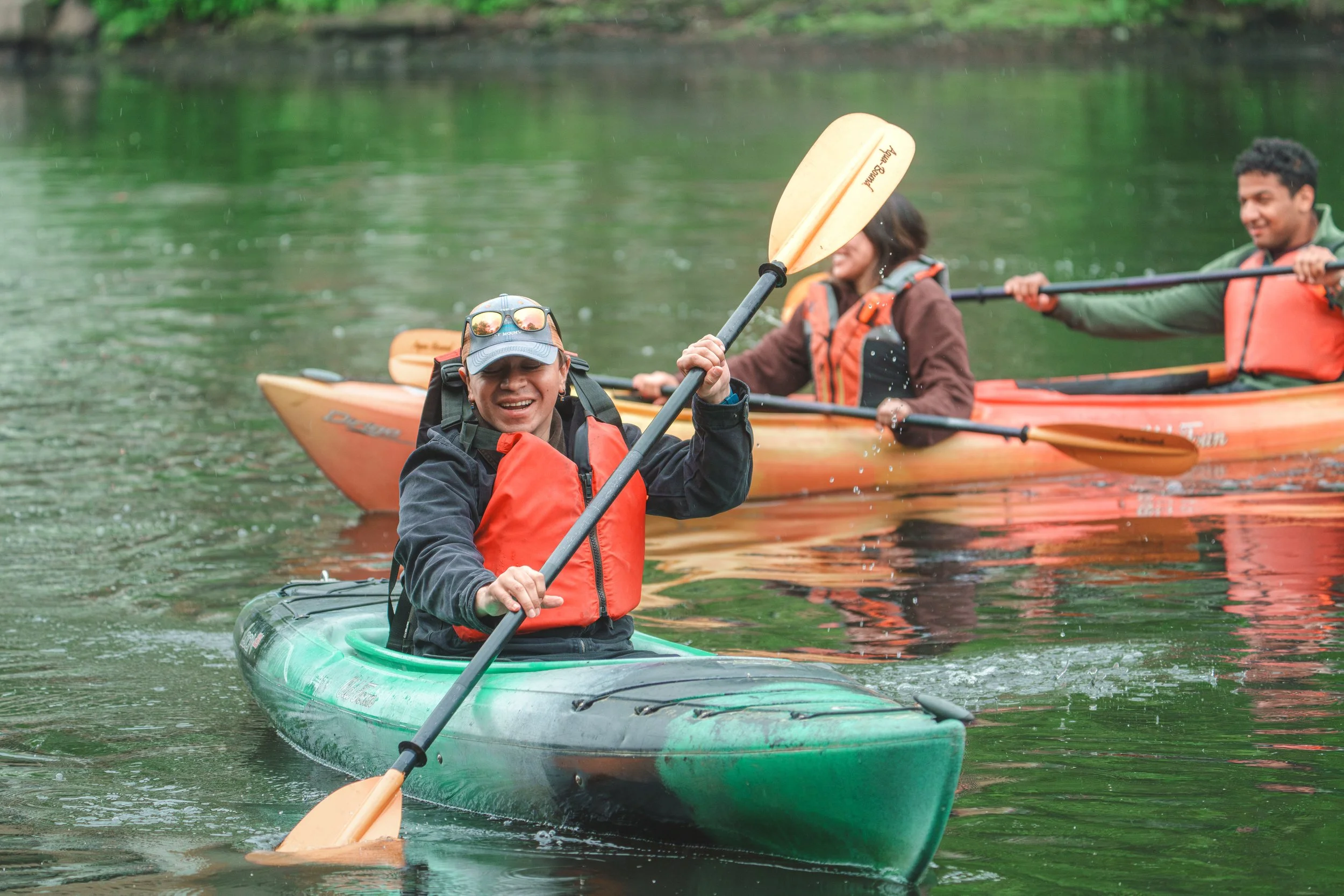
Em(barco) kayaking event on the Mystic River with Latino Outdoors Boston, Paddle Boston, and MyRWA. Credit: Jose Fernando
Partnerships bring community joy, wellness, and feelings of belonging to the Mystic River. MyRWA is grateful for the many organizations across the watershed working to connect their members to the outdoors for mental, physical, and spiritual wellbeing. The events we host together are always a highlight of our year and continue to strengthen the Mystic River as a place for everybody.
Looking Ahead
We are already looking forward to continuing this work in 2026. Here are just a few things to get excited about in the coming year:
The reveal of three years of air quality monitoring data for the CLEANAIR project in Malden, Everett, Charlestown, and East Boston
Construction progress at Hurld Park in Woburn, Malden River Works, the Stoneham High School Wetland, and Draw Seven Park
Two more murals and a grand finale event to celebrate the completion of Andres Duarte’s Artist Residency
Bringing back memories from the MyRWA Archives for our 30th Annual Herring Run & Paddle (Save the date for May 17th, 2026!)