Written by: Alice Wall, 2026 Urban Forestry Summer Fellow
When I arrived at Main Street Meadow to meet Kate Jenkins-Sullivan, the City of Everett's Sustainability Manager in the Planning & Development Department, she was already hard at work. Bent over with her hands in the dirt, she was pulling weeds and tidying up the meadow. Dressed in professional office attire, Kate's hands were covered in soil.
The scene felt fitting. Projects like Main Street Meadow begin with planning meetings, permits, grant applications, and partnerships, but their success ultimately depends on people willing to stay involved long after the initial planting.
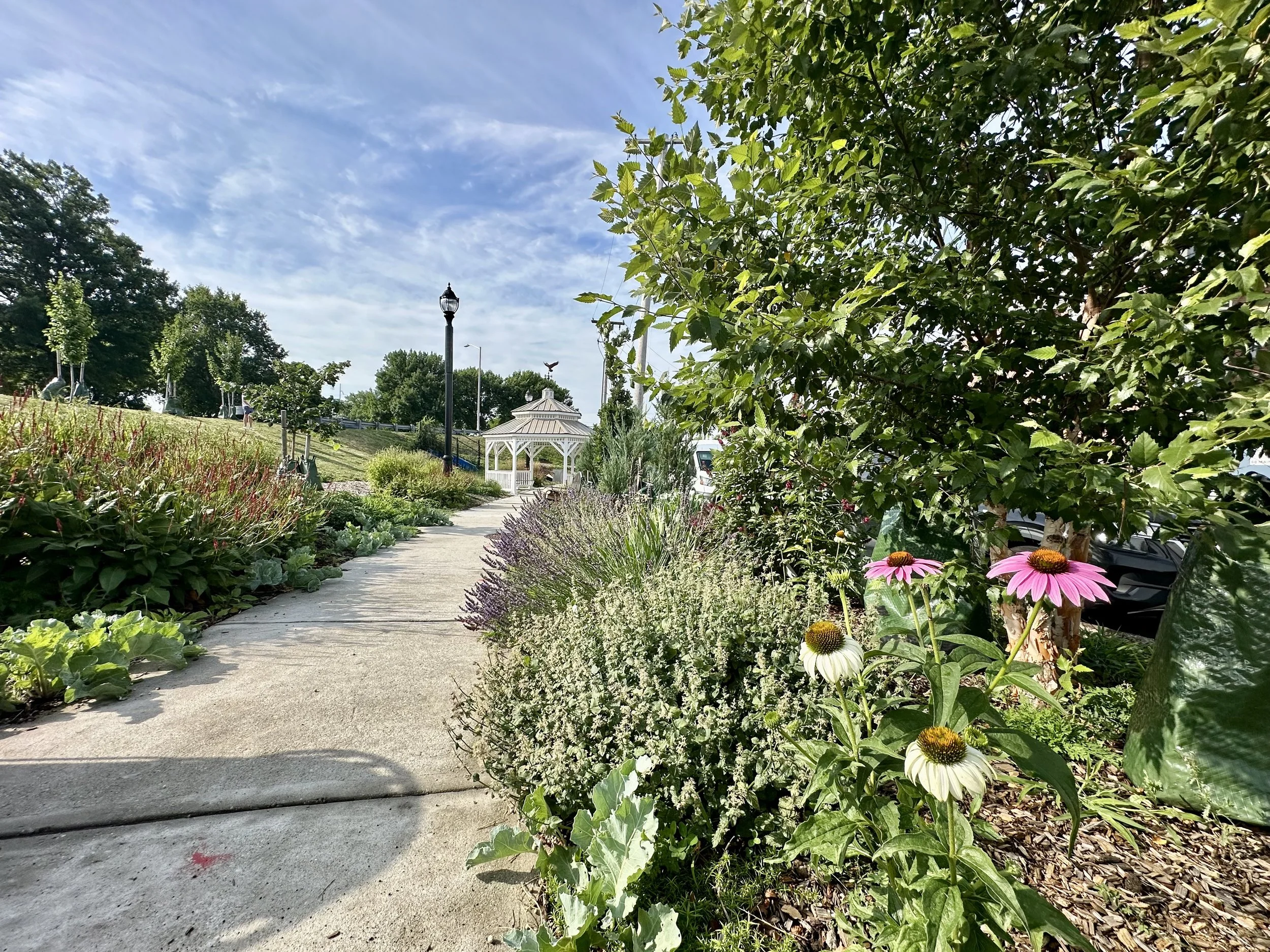
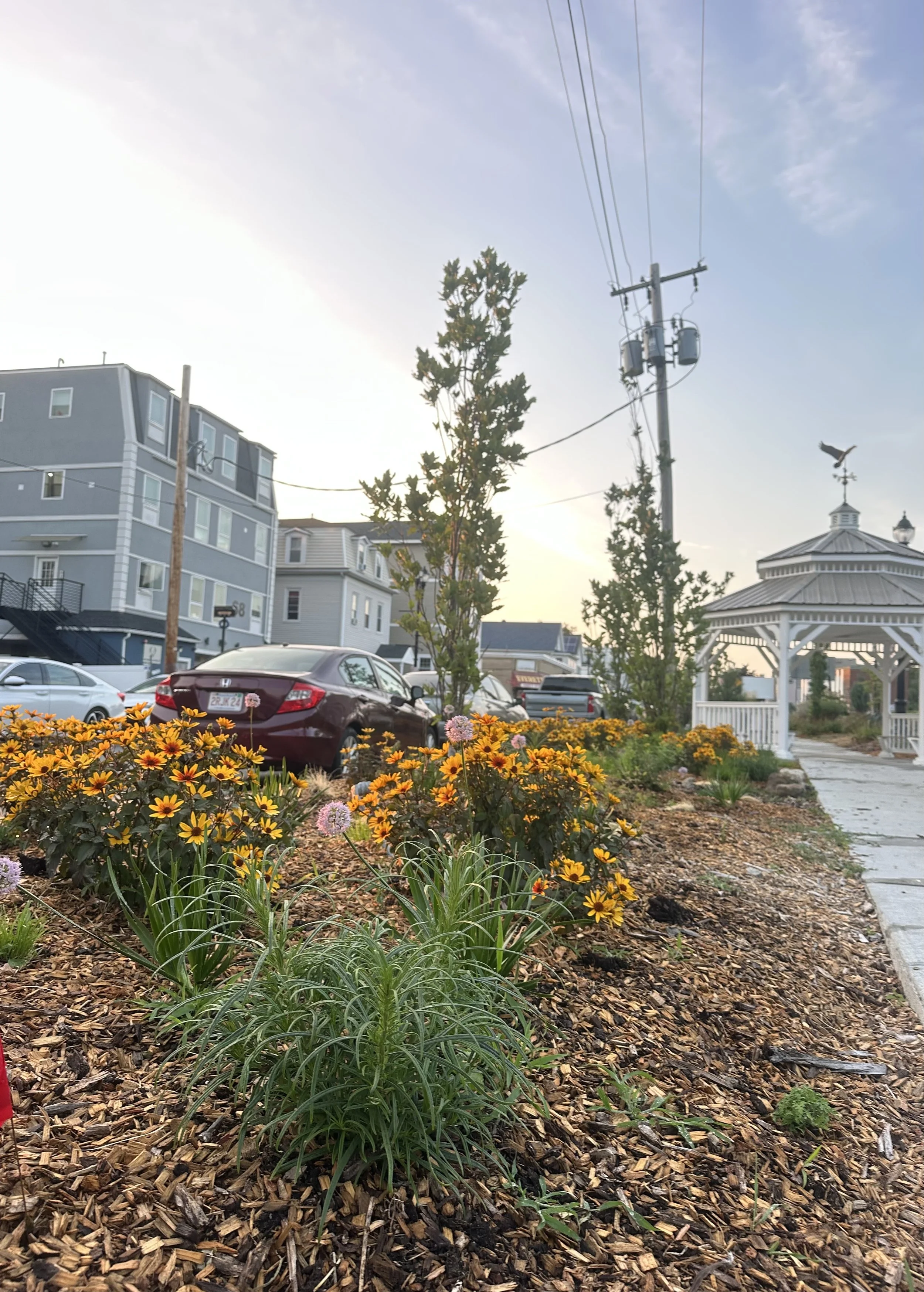
As we walked through the site, it was hard to imagine what the area looked like just a few years ago. Today, native trees, pollinator gardens, public art, and walking paths welcome residents and wildlife alike. But this vibrant green space was once a vacant parcel beside one of Everett's busiest roadways.
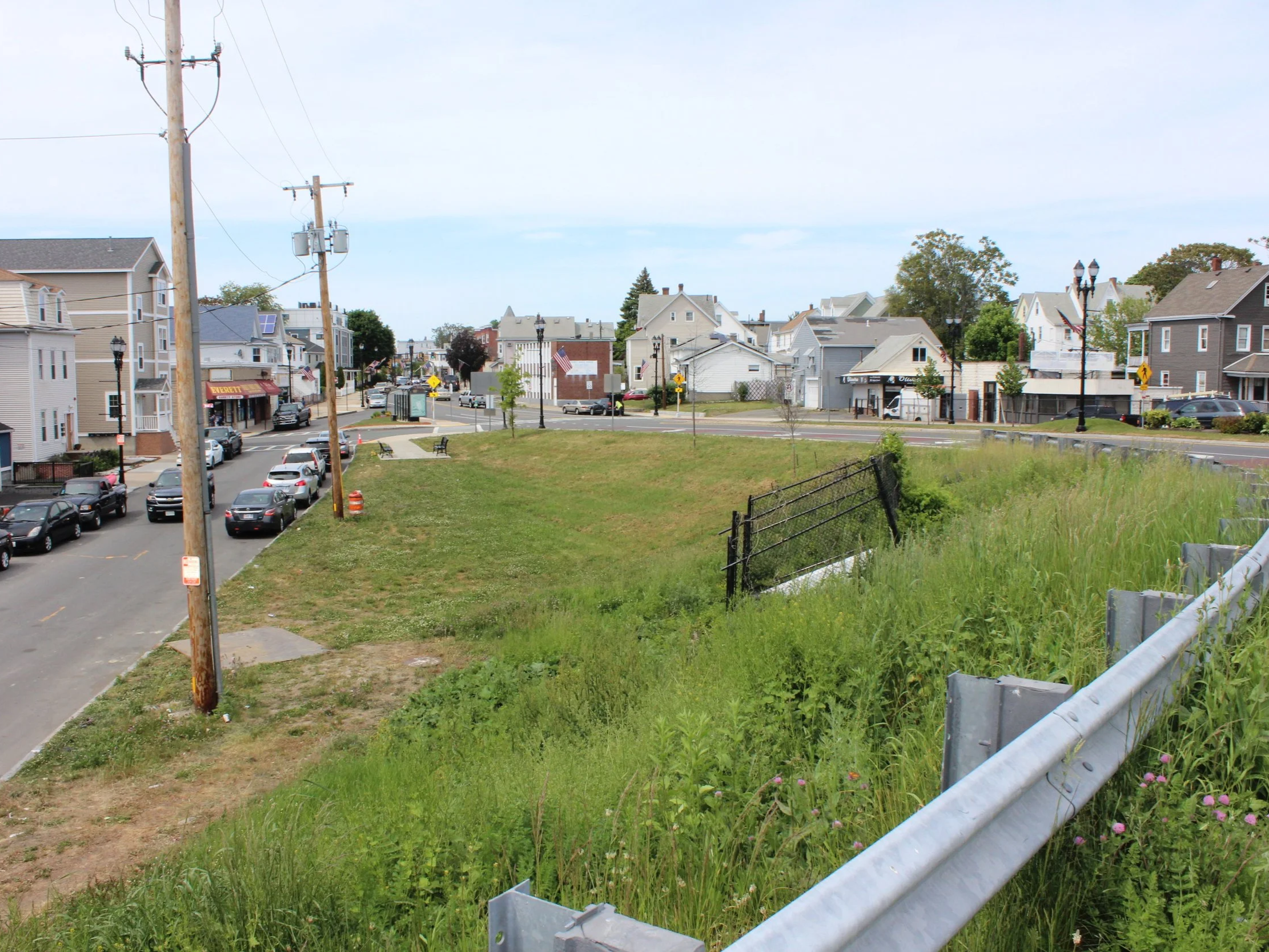
Located near Sweetser Circle and RT 16 Rotary, the site was identified as an urban heat island, an area that experiences significantly higher temperatures because of extensive pavement, development, and limited tree canopy. Everett Community Growers initially explored relocating its community farm to the site, but after recording summer temperatures exceeding 110°F and evaluating the soil conditions, determined it was not suitable for food production. Rather than abandoning the space, the City of Everett and its partners saw an opportunity to create something different: a park that could cool the neighborhood, restore habitat, and provide residents with a place to gather.
Transforming that vision into reality was not easy…
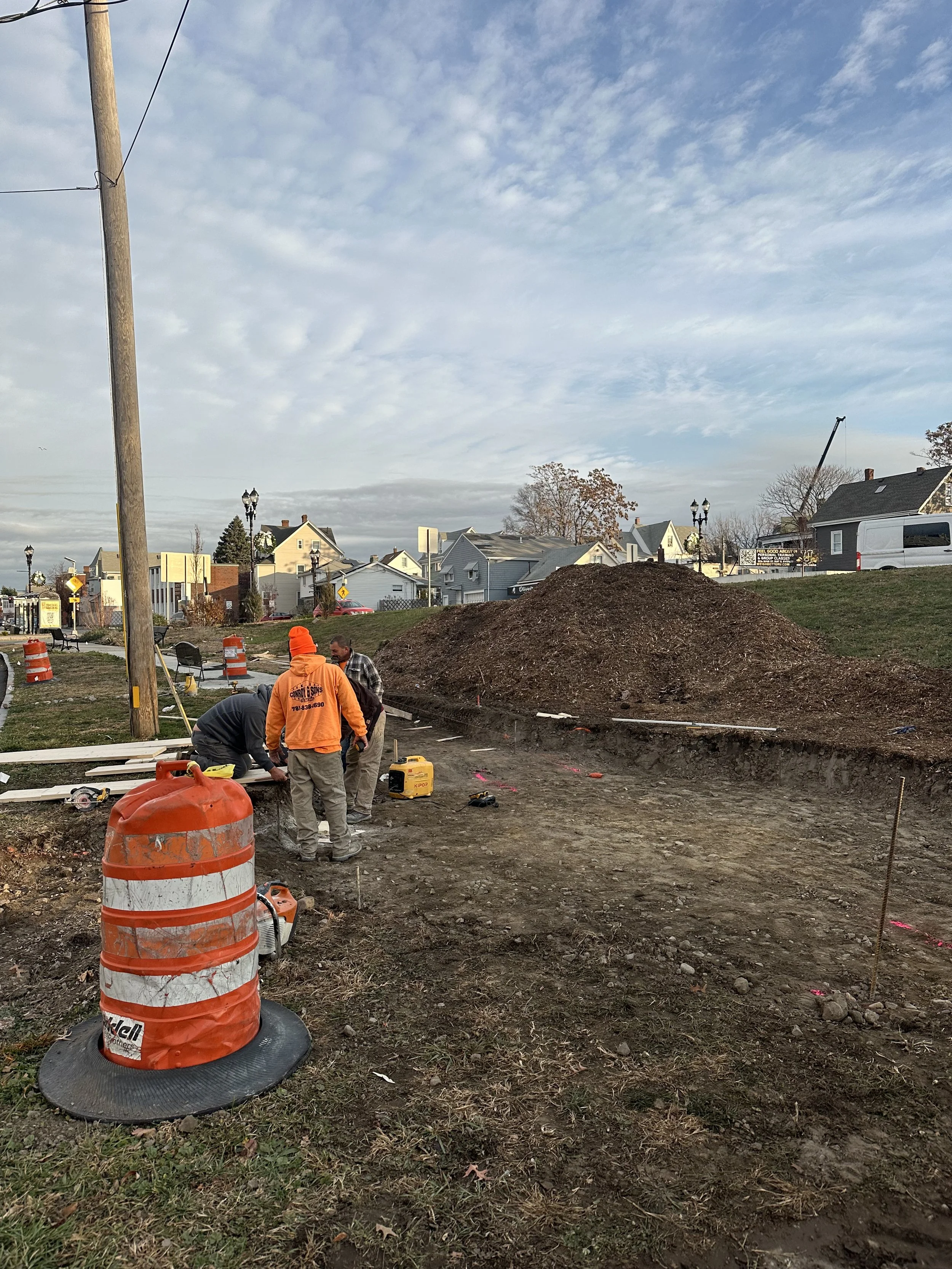
The site's degraded soil required extensive restoration before any planting could begin. Following a fire and years of disturbance, compost, biochar, wood chips, and other soil amendments were added to rebuild soil health and strengthen the underground microbial network. After nearly a year of restoration work, the site was finally ready to support native trees, pollinator gardens, and other plantings.
The transformation of Main Street Meadow was made possible through a partnership between the City of Everett, the Mystic River Watershed Association (MyRWA), Neighborways Design, Diggers Cooperative Inc., the Metropolitan Area Planning Council (MAPC), and many local residents and community organizations. Beginning in 2022, the project team hosted visioning sessions, walking tours, volunteer workdays, and community events to gather input and shape the future of the site.
Through MyRWA's Urban Forestry Program and with support from the U.S. Forest Service through an earmark from Congresswoman Ayanna Pressley, the City expanded tree planting efforts at Main Street Meadow and nearby Seven Acre Park, increasing tree canopy while advancing shared goals of climate resilience and environmental justice.
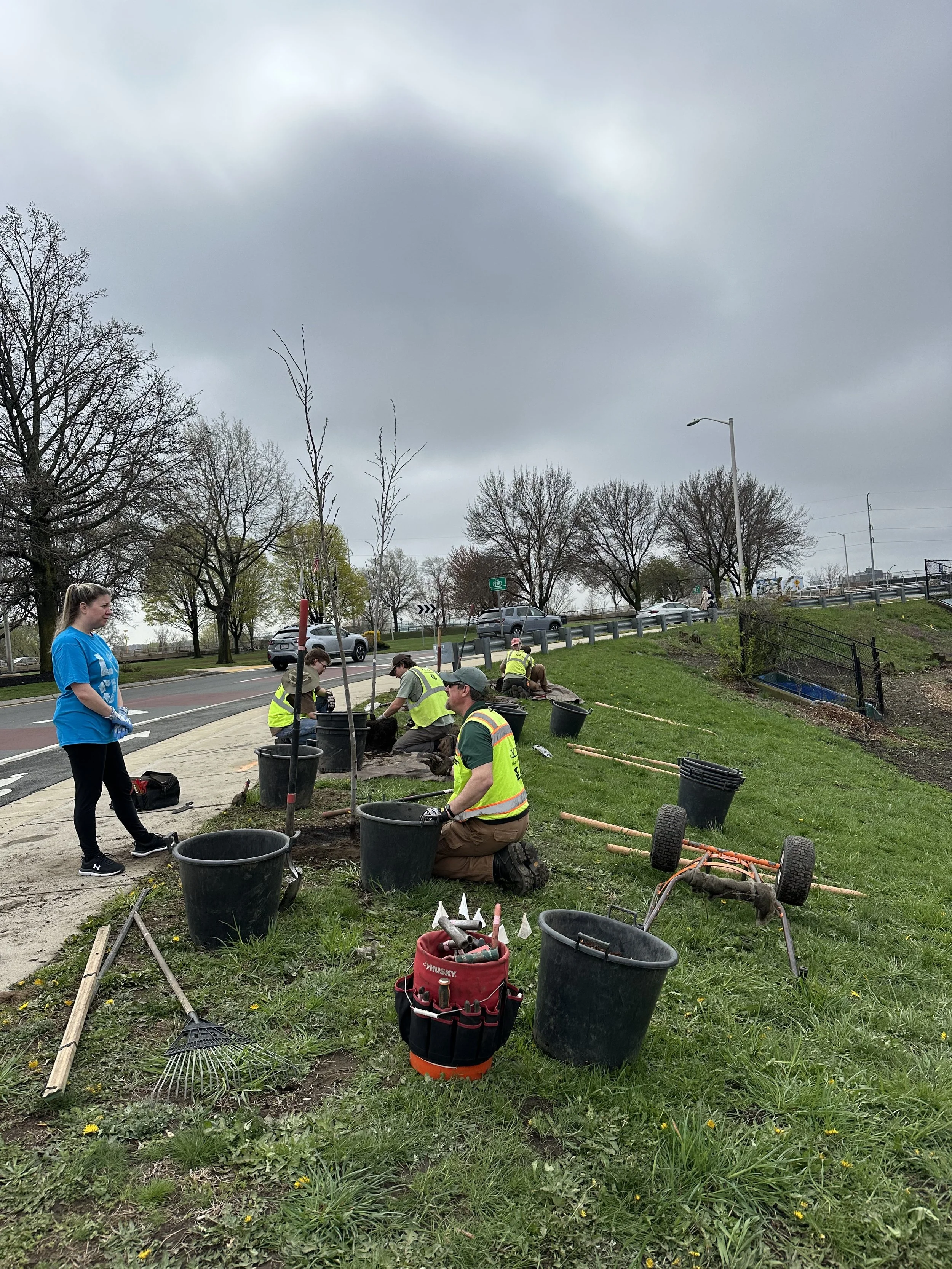
Main Street Meadow also reflects the broader goals of MyRWA's Urban Forestry Program. Across Everett, Chelsea, and Somerville, MyRWA and its partners are working to expand tree canopy in neighborhoods most affected by extreme heat and limited access to green space. Through the five-year “Cooling Urban Heat Islands through Urban Forestry” initiative, MyRWA collaborates with municipalities and community organizations to plant and care for trees where they can provide the greatest environmental and public health benefits. Main Street Meadow is one example of how these partnerships are creating cooler, greener, and more resilient neighborhoods throughout the Mystic River watershed.
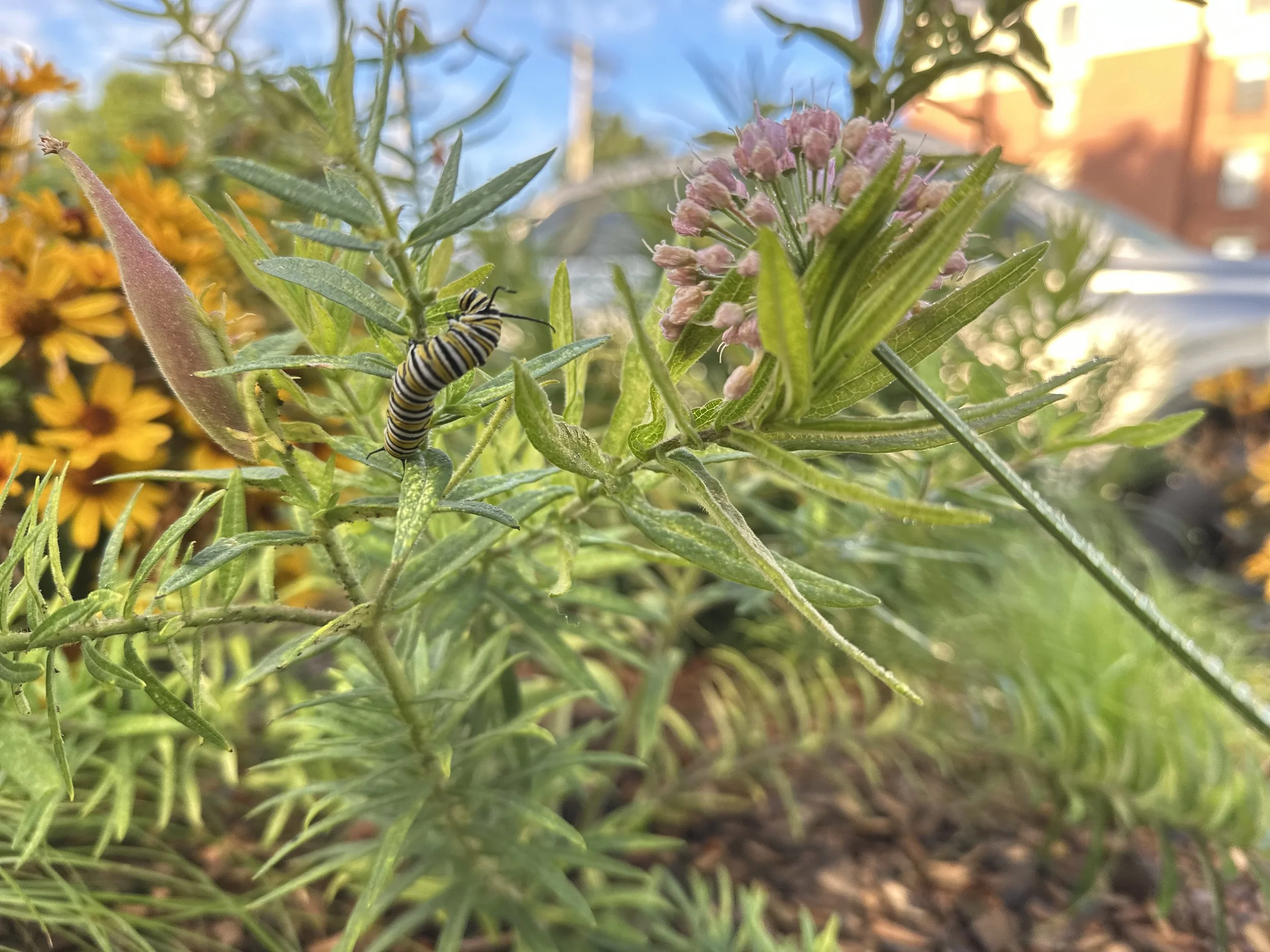
Today, native oaks, junipers, and other plantings are beginning to flourish throughout the site. Pollinator gardens provide habitat for bees, butterflies, and other beneficial insects, while the growing tree canopy will help absorb stormwater, improve air quality, reduce urban heat, sequester carbon, and soften traffic noise from the nearby rotary.
Yet one lesson became clear throughout Kate's work on the project: planting trees is only the beginning.
Maintaining young trees is one of the greatest challenges in urban forestry. Newly planted trees require watering and care before they become established. While planting events often attract enthusiastic volunteers, Kate explained that finding people who can commit to long-term stewardship is much more difficult. That ongoing care is what ultimately determines whether newly planted trees survive long enough to provide decades of environmental benefits.
Fortunately, Main Street Meadow has already become much more than a restoration project. Residents regularly walk through the park, community events bring neighbors together, and colorful nature-inspired murals by Everett artist Jay Lapo celebrate the identity of the surrounding neighborhood. What was once an overlooked parcel has become a destination where people can relax, connect with nature, and enjoy a cooler, greener environment.
The work, however, is far from finished. Future plans include additional tree plantings, expanded pathways, and continued community programming that will further strengthen the park's role as a neighborhood gathering place.
As our walk came to an end, I found myself thinking back to that first image of Kate with dirt on her hands. It perfectly captured what Main Street Meadow represents. Urban forestry is about far more than planting trees. It is about restoring ecosystems, listening to communities, building lasting partnerships, and continuing to care for these spaces long after construction is complete.
Main Street Meadow stands as a testament to what can happen when municipalities, nonprofit organizations, designers, contractors, artists, volunteers, and residents work toward a shared vision. What was once a neglected urban heat island has become a thriving public space that cools the neighborhood, supports wildlife, and demonstrates how collaboration can build healthier, more resilient communities.
Email Kate if you’re interested in helping to maintain this ecological site by watering, weeding, mulching, and more!